LaGuardia Plane Crash: Air Canada Hits Fire Truck (2026)
Two Major Plane Incidents Dominate Headlines: LaGuardia Crash and Colombian Military Disaster
Aviation safety is under intense scrutiny this week following two devastating plane incidents that have shocked the world. The most dramatic occurred Sunday evening, March 22, 2026, when an Air Canada Express CRJ-900 collided with a fire truck at New York's LaGuardia Airport, killing both pilots and injuring dozens. Days later, details continue to emerge — including a remarkable survival story — keeping this tragedy at the forefront of global news. Meanwhile, a Colombian military plane crash has killed at least 66 people, adding to a grim week for aviation.
What Happened at LaGuardia Airport
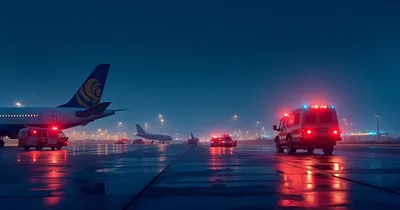
On Sunday evening, March 22, 2026, an Air Canada Express flight arriving from Montreal touched down at LaGuardia Airport in New York. What should have been a routine landing turned catastrophic when the CRJ-900 regional jet collided with a fire truck that had been authorized to cross the active runway.
The fire truck was responding to a separate emergency — a United Airlines aircraft had declared an in-flight emergency due to an unusual odor onboard. As crews scrambled to respond, the truck was given the all-clear to cross the runway. Moments later, the Air Canada Express jet struck the vehicle at approximately 100 miles per hour.
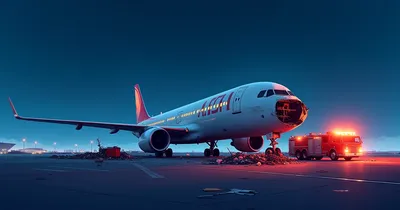
Air traffic control audio captured the horror of the moment. A controller can be heard shouting "Stop, stop, stop, truck 1 stop" — but it was too late. The collision proved fatal for the plane's pilot and co-pilot, making this one of the deadliest incidents at a major U.S. airport in recent memory. Video of the crash aftermath, published on March 23, shows the scale of destruction left on the tarmac.
Casualties and the Remarkable Survival of Flight Attendant Solange Tremblay
The Air Canada Express flight was carrying 72 passengers and four crew members when it collided with the fire truck. In total, 41 people were taken to hospital following the crash, with nine sustaining serious injuries. Two fire truck officers were also hospitalized, though their injuries were described as non-life-threatening.
Among the most astonishing stories to emerge is that of Solange Tremblay, a flight attendant from Quebec. According to the BBC, Tremblay was found alive more than 100 metres from the wreckage — still strapped to her seat, which had been torn from the aircraft and fallen through the damaged plane floor during the impact. Tremblay, who was seated directly behind the pilots when the collision occurred, survived with multiple fractures.
Her survival is being described as nothing short of miraculous. Emergency responders discovered her amid the debris field, still secured in her seat, having been ejected from the fuselage by the force of the impact. Her story has become a focal point of ongoing coverage and an emotional reminder of both the horror and the resilience that can emerge from aviation disasters.
Port Authority Executive Director Kathryn Garcia, speaking on March 23, confirmed the casualty figures and praised the emergency response at the scene, as rescuers worked through the wreckage to account for all passengers and crew.
How the Crash Unfolded: A Chain of Events
Understanding how this tragedy happened requires piecing together a rapid sequence of decisions and movements on the tarmac. The initial trigger was the United Airlines emergency declaration — a relatively common event at large airports — which set ground crews in motion. The fire truck was dispatched and cleared to cross the runway in question.
What remains under investigation is the precise coordination between air traffic controllers and ground crews in the critical seconds before impact. The recorded audio of the controller's frantic warnings suggests awareness of the danger, but insufficient time to avert the collision. The Air Canada Express jet was already committed to its landing rollout at high speed when the truck entered its path.
LaGuardia Airport temporarily suspended operations in the immediate aftermath but reopened for flights by March 24, even as wreckage from the collision remained visible on the tarmac. The disruption caused cascading chaos for East Coast travelers, with delays and cancellations rippling through one of America's busiest regional air corridors.
Investigators from the National Transportation Safety Board (NTSB) have launched a full inquiry into the incident, examining runway management procedures, communication protocols, and the sequence of clearances granted to both the landing aircraft and the fire truck.
Colombian Military Plane Crash: 66 Dead
Compounding an already devastating week for aviation, a Colombian military transport plane carrying 110 soldiers crashed, killing at least 66 people according to the head of the Colombian armed forces. The disaster, which struck a military aircraft rather than a commercial flight, has nonetheless sent shockwaves through the country and drawn international attention.
Details about the cause of the Colombian crash are still emerging. The scale of casualties — with more than half of those onboard confirmed dead — makes it one of the worst military aviation accidents in the country's history. Rescue and recovery operations are ongoing, with Colombian authorities working to confirm the final death toll and identify victims.
The near-simultaneous occurrence of two high-profile aviation tragedies has intensified public conversation about air travel safety, ground operations procedures, and military aviation standards across very different contexts.
What This Means for Air Travel Safety
Both incidents are prompting serious questions about aviation safety protocols. For the LaGuardia crash specifically, the focus is on runway incursion prevention — one of the aviation industry's most critical safety concerns. A runway incursion occurs when an aircraft, vehicle, or person enters a protected runway without authorization or in conflict with another aircraft. Despite decades of technological improvements, runway incursions remain a persistent risk at busy airports.
LaGuardia Airport, known for its tight layout and high traffic volume, presents particular operational challenges. Ground crews, pilots, and air traffic controllers must coordinate with precision, especially during simultaneous emergencies. The events of March 22 suggest that even well-established protocols can fail under the pressure of converging crises.
Aviation safety experts are expected to call for a review of emergency vehicle procedures during active landing operations, as well as the technology used to alert ground vehicles of incoming aircraft. Some analysts are also pointing to the broader issue of staffing and workload at major ATC facilities.
Frequently Asked Questions
What caused the LaGuardia Airport plane crash on March 22, 2026?
An Air Canada Express CRJ-900, arriving from Montreal, collided with a fire truck on the runway at LaGuardia Airport. The fire truck had been given clearance to cross the runway while responding to a separate United Airlines emergency. The collision killed both pilots and injured 41 passengers and crew.
How many people were hurt in the LaGuardia crash?
Both the pilot and co-pilot of the Air Canada Express flight were killed. Forty-one people were taken to hospital, nine with serious injuries. Two fire truck officers were also hospitalized with non-life-threatening injuries.
Who is Solange Tremblay and how did she survive?
Solange Tremblay is a flight attendant from Quebec who was seated behind the pilots during the collision. The impact caused her seat to detach and fall through the damaged floor of the aircraft. She was found alive, still strapped to her seat, more than 100 metres from the plane, suffering multiple fractures.
Is LaGuardia Airport open after the crash?
Yes. LaGuardia Airport reopened for flights on March 24, 2026, though wreckage from the collision remained on the tarmac. Travelers should expect continued disruptions and check with their airlines for the latest updates.
What happened with the Colombian military plane crash?
A Colombian military transport plane carrying 110 soldiers crashed, killing at least 66 people. The head of the Colombian armed forces confirmed the death toll. Investigations into the cause are ongoing.
Conclusion
The collision at LaGuardia Airport and the Colombian military plane disaster have delivered a sobering reminder of the risks inherent in aviation — both commercial and military. As investigators work to determine exactly what went wrong at LaGuardia on the evening of March 22, 2026, the survival of flight attendant Solange Tremblay offers a rare moment of hope within a tragedy that claimed the lives of two pilots and left dozens injured.
For travelers, both incidents underscore the importance of staying informed about airport operations and airline safety records. While air travel remains statistically one of the safest forms of transportation, the events of this week demonstrate that vigilance, protocol adherence, and rapid response systems are not merely procedural — they are the difference between life and death. Authorities have promised full investigations, and their findings are expected to shape aviation safety policy for years to come.
Stay Updated
Get the latest trending insights delivered to your inbox.
Sources
- Colombian military plane crash has killed at least 66 people foxnews.com
- Video of the crash aftermath usatoday.com
- According to the BBC bbc.com
- The disruption caused cascading chaos for East Coast travelers businessinsider.com
- Colombian military transport plane carrying 110 soldiers crashed msn.com