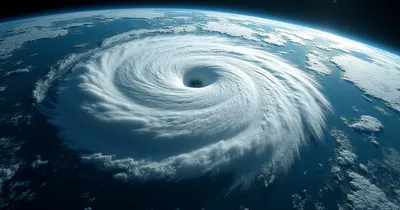
Late April is supposed to mean wildflowers in the Sierra Nevada, thawing passes in Wyoming, and the gradual retreat of winter from the American West. Not this year. A powerful late-season storm system is hammering five western states simultaneously, delivering blizzard-like conditions, catastrophic wind gusts, and snowfall totals that would be remarkable in January — let alone the third week of April.
As of April 22, 2026, the National Weather Service has issued heavy snow warnings and winter weather advisories across Idaho, Montana, Nevada, Wyoming, and California. Officials are telling some residents to delay all travel, with conditions expected to persist through Thursday. This isn't a dusting — we're talking up to 18 inches across the Tetons, potentially 2 feet on California's highest Sierra peaks, and wind gusts reaching 90 mph along exposed ridgetops.
Here's what's happening, where it's worst, and what it means if you're in the region or planning to travel.
The Storm at a Glance: What the NWS Is Warning About
The National Weather Service rarely uses the phrase "delay all travel" lightly. That language signals conditions serious enough to render roads genuinely impassable — not merely inconvenient. Four states — Idaho, Montana, Nevada, and Wyoming — are under active heavy snow warnings or winter weather advisories as of April 22, 2026, with California rounding out a five-state impact zone stretching across much of the interior West.
The timeline escalated quickly. California's winter storm watch was upgraded to a full winter storm warning on Monday morning, April 20. By April 21, the NWS Reno office had issued winter weather advisories for Mono County and the Greater Lake Tahoe Area, warning of 90 mph ridgetop winds alongside significant snowfall accumulations. By April 22, warnings had expanded east into Idaho, Montana, and Wyoming as the system pushed inland.
The dual threat — heavy snow combined with extreme wind — is what makes this storm particularly dangerous. Snow alone is manageable. Snow plus 90 mph gusts creates whiteout conditions, drifting that can bury vehicles, and wind chills severe enough to turn routine outdoor exposure into a medical emergency.
State-by-State Breakdown: Where It's Hitting Hardest
Wyoming: Teton Country Under Siege
Up to 18 inches of snow is expected across the Tetons, with the NWS flagging Teton Pass and Togwotee Pass as routes where travel will become "very difficult." Both passes are critical corridors for residents and visitors in the Jackson Hole area — Teton Pass connects Jackson to Idaho's Victor and Driggs, while Togwotee Pass links Jackson to Dubois and the eastern Wyoming plains. When those routes close or become impassable, communities on either side are effectively isolated.
Wyoming's high-country terrain amplifies storm impacts. The wind doesn't just move snow — it scours it off exposed slopes and deposits it in massive drifts on roadways, often within hours of plowing. Motorists who underestimate conditions on these passes have historically needed rescue operations even in normal winter storms.
California: Sierra Nevada Taking the Brunt
The Sierra Nevada's highest peaks are forecast to receive up to 2 feet of snow total — a remarkable amount for late April. Kings Canyon, Sequoia, and Yosemite National Parks are forecast to receive 12 to 18 inches in their highest areas, accompanied by winds up to 75 mph.
Along the Sierra Crest, visibility may drop below a quarter of a mile at times due to blowing and drifting snow. The Greater Lake Tahoe Area faces a particular combination of heavy snowfall and wind gusts that could make highway travel on US-50 and Interstate 80 over the Sierra extremely dangerous. This matters not just for tourists headed to ski resorts (which, notably, benefit from late-season snowfall) but for the significant number of commuters and truckers who rely on these routes year-round.
This storm arrives on the heels of earlier disruptions — the SF Bay Area saw its own significant storm system bringing SFO delays, hail, and earlier Sierra snowfall. The West Coast has had an unusually active late-season pattern.
Montana: Missoula Office Warns of Infrastructure Disruptions
Montana's Missoula NWS office issued warnings of up to 12 inches of snow and cited the potential for "closures and disruptions to infrastructure" — a phrase that goes beyond road closures to flag risks to power lines, communication networks, and emergency services. Montana's mountainous terrain and relatively sparse population density mean that when infrastructure fails, help can be a long time coming.
Wet, heavy late-April snow is particularly damaging to power lines and tree branches that have already begun leafing out. Unlike mid-winter snow that tends to be lighter and drier, spring snowpack is denser and clings to surfaces. A 12-inch accumulation of this kind of snow can snap tree limbs and bring down power lines at rates that exceed what utilities can repair quickly.
Idaho: Multiple Mountain Ranges Affected
Idaho's Pocatello NWS office issued a winter weather advisory covering an unusually broad swath of southeastern Idaho's mountain ranges: the Bear River Range, Caribou Range, Big Hole Mountains, Centennial Mountains, and Island Park regions. Up to 10 inches of snow is expected across these areas.
Island Park, in particular, is a region that sees heavy snowmobile and outdoor recreation traffic even in late spring. The combination of snowfall and wind in terrain this complex creates avalanche risk in addition to travel hazards — a concern that Idaho's backcountry community takes seriously this time of year when snowpack stability is already compromised by warming temperatures.
Nevada: Lake Tahoe Region Facing 90 mph Ridgetop Gusts
Nevada's exposure to this storm is concentrated in the western counties adjacent to the Sierra, particularly the areas around Lake Tahoe and Mono County. The NWS Reno office's advisory specifically called out 90 mph wind gusts along ridgetops — fast enough to overturn high-profile vehicles, snap utility poles, and make any outdoor activity genuinely life-threatening. Even without significant snowfall accumulation, winds of that magnitude create blowing snow conditions that reduce visibility to near zero.
Why a Late-April Storm Is Unusual — and What It Signals
Spring officially began on March 20. A storm of this magnitude striking multiple western states on April 22 isn't unprecedented in the historical record, but it's well outside the statistical norm. The Sierra Nevada, Tetons, and Montana ranges do receive measurable snowfall into May and even June at the highest elevations — but coordinated multi-state winter storm warnings this late in the season represent a significant weather event by any measure.
The meteorological setup that produced this storm involves a deep trough of low pressure anchored over the Pacific Northwest, drawing cold Arctic air southward while simultaneously pulling moisture off the Pacific. Late-season Arctic outbreaks of this intensity tend to produce heavier, wetter snow than mid-winter events because they interact with air masses that have more available moisture as temperatures begin their seasonal climb. That's why the Sierra is looking at 2-foot totals rather than the 6-to-8-inch accumulations typical of passing winter systems.
It's worth noting that this storm arrives on Earth Day 2026 — an ironic but not entirely surprising coincidence. Climate scientists have documented increasing variability in late-season weather patterns across the American West, where a warming baseline interacts with atmospheric dynamics in ways that can produce both earlier springs and more intense late-season intrusions of cold air.
Travel Warnings and What "Delay All Travel" Actually Means
The NWS doesn't issue "delay all travel" advisories routinely. Standard winter weather language warns of "hazardous conditions" or recommends carrying emergency supplies. The "delay all travel" designation signals that forecasters believe roads will be impassable or so dangerous that the risk of becoming stranded or involved in a collision is unacceptably high.
For practical purposes, this means:
- Mountain passes: Expect closures on Teton Pass, Togwotee Pass, and potentially on US-395 corridor routes through eastern California and Nevada during peak snowfall periods.
- Interstate routes: I-80 over Donner Summit and I-90 through Montana's mountain passes may face chain controls, reduced speed limits, or temporary closures.
- National parks: Kings Canyon, Sequoia, and Yosemite are forecast to receive 12–18 inches of snow in their higher elevations, with park roads potentially closing due to both accumulation and wind damage.
- Backcountry travel: Extremely dangerous. Late-spring snowpack is already unstable; adding 12–18 inches of new snow with high wind loading creates significant avalanche risk in all mountain terrain.
If you are traveling in any of the five affected states through Thursday, check the NWS local office for your specific area, call 511 for road conditions, and do not assume that because roads were clear this morning, they will be clear this afternoon. Conditions in these storms can deteriorate from passable to impassable within one to two hours.
What to Have on Hand: Essential Gear for Winter Storm Preparedness
Whether you're riding this out at home or need to travel through affected areas, having the right supplies can be the difference between a manageable disruption and a genuine emergency.
For vehicles traveling in affected mountain corridors, carry tire chains — California and many mountain states require them during chain controls, and they're mandatory equipment for getting through chain checkpoints. A quality emergency car kit with blankets, jumper cables, a flashlight, and food rations is essential in case you become stranded. A portable car jump starter is particularly valuable since cold temperatures significantly reduce battery performance.
At home, power outages from the wet, heavy snow and extreme winds are a real possibility. A portable power station can keep phones charged and run a CPAP or small appliance through an outage. Stock a multi-day supply of water, and keep a battery-powered weather radio accessible so you can monitor NWS updates if cell service or internet goes down. For anyone who needs to dig out, a ergonomic snow shovel saves significant strain when moving the wet, dense spring snow this storm is producing.
What This Means: The Broader Picture
This storm is a reminder that the American West's mountain communities live on a weather calendar that doesn't align neatly with astronomical seasons. "Spring" in the Sierra Nevada or the Tetons means something different than spring in Phoenix or Los Angeles. Ranchers in Montana budget for late snowstorms that can devastate newborn livestock. Ski resorts in Wyoming celebrate April storms that extend the season. Highway departments in Idaho maintain equipment through May precisely because events like this one happen.
What makes this storm notable isn't that it's occurring — late-season western snowstorms are part of the region's climate history — but its intensity and geographic reach. Simultaneous heavy snow warnings across five states, with wind gusts approaching 90 mph and snowfall totals measuring in feet rather than inches, represents the tail end of the distribution even for late April. The coordination of NWS offices from Pocatello to Reno to Missoula all issuing warnings simultaneously underscores how large-scale and well-organized this system is.
For the broader water picture, late-season snowfall is genuinely good news for the West's chronic drought conditions. Sierra snowpack in particular is a critical reservoir — the state's water managers watch April 1 snowpack measurements as a key indicator for summer water supply. A significant late-April addition to the snowpack, while disruptive in the short term, contributes to the reservoir recharge that California, Nevada, and downstream states depend on.
Frequently Asked Questions
Is it unusual to get heavy snow warnings in late April across multiple western states?
It's uncommon but not unheard of. Individual mountain ranges in the West regularly receive snowfall into May and June at high elevations. What makes this event notable is the simultaneous issuance of heavy snow warnings across five states — California, Nevada, Idaho, Montana, and Wyoming — at the same time, combined with the extreme wind component. Most late-season storms affect a more limited geographic footprint.
How long will the storm last?
According to NWS forecasts issued on April 22, 2026, snowfall and dangerous conditions are expected to persist through Thursday. The heaviest snow and most dangerous wind gusts are concentrated in a roughly 72-hour window from April 21 through April 24. Conditions will improve progressively after the storm system moves east, though high-elevation roads may remain impacted by drifting snow and avalanche cleanup for several days afterward.
Which specific roads and passes are most at risk of closure?
Teton Pass (Wyoming Highway 22) and Togwotee Pass (US-26/287) in Wyoming are specifically flagged by the NWS as routes where travel will be "very difficult." In California, US-50 and Interstate 80 over the Sierra are subject to chain controls and potential closure during peak snowfall. Montana's mountain passes on I-90 and US-12 face closure risk given the infrastructure disruption language in the Missoula NWS advisory.
Are the national parks safe to visit during this storm?
No. Kings Canyon, Sequoia, and Yosemite National Parks are forecast to receive 12–18 inches of snow in their highest areas along with 75 mph winds. Park roads that were open for spring visitation may close due to both snow accumulation and wind damage. Anyone planning to visit should check NPS.gov for current road status and postpone backcountry or high-elevation activities until the storm passes and conditions are assessed.
What does "delay all travel" mean in practice — does it mean roads are closed?
Not necessarily closed, but the NWS is indicating conditions so dangerous that no non-essential trip is worth the risk. Roads may be technically open while being effectively impassable due to low visibility, packed ice, deep drifts, or high winds that threaten to push vehicles off the road. "Delay all travel" means exactly that — if the trip isn't absolutely necessary, don't make it until conditions improve. Even experienced winter drivers get into trouble in conditions that warrant this advisory language.
Conclusion
A powerful late-April storm system is delivering a stark reminder that winter doesn't wait for a calendar invitation to leave the American West. With heavy snow warnings active across Idaho, Montana, Nevada, and Wyoming, and a winter storm warning in effect for California's Sierra Nevada, this is a serious, multi-day event demanding caution from anyone in the region.
The practical takeaways are straightforward: avoid mountain travel through Thursday if at all possible, monitor your local NWS office for updates, and have emergency supplies on hand given the elevated risk of power outages from the combination of wet snow and 90 mph wind gusts. If you absolutely must travel, carry tire chains, check road conditions immediately before departure, and tell someone your route and expected arrival time.
Beyond the immediate disruption, this storm matters for the West's water future. Every inch of late-season Sierra snowpack is a deposit in the natural reservoir system that millions of people depend on through the dry summer months. The same storm that's closing Teton Pass today is building the water supply that will flow through rivers and reservoirs this summer. In the American West, winter's parting shots are often gifts in disguise — just expensive ones if you're caught unprepared on the wrong mountain road.