What Is a Fire Weather Watch?
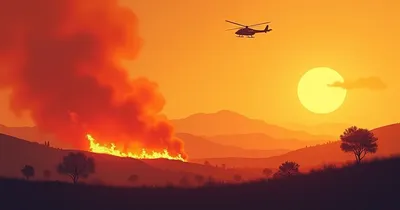
A fire weather watch is an official alert issued by the National Weather Service (NWS) when atmospheric conditions are forecast to become favorable for the rapid ignition and spread of wildfires. It signals that dangerous fire weather conditions — such as low humidity, strong winds, and dry vegetation — are possible within the next 24 to 72 hours, but have not yet occurred. Think of it as an early warning to prepare before conditions turn critical.
Fire Weather Watch vs. Red Flag Warning: What's the Difference?
These two alerts are often confused, but they represent different levels of urgency. Understanding the distinction can be the difference between staying safe and being caught off guard.
- Fire Weather Watch: Issued 24–72 hours in advance when conditions are expected to become dangerous. It's a heads-up — time to prepare.
- Red Flag Warning: Issued when dangerous fire weather conditions are occurring right now or are expected within 24 hours. This is the higher-urgency alert that demands immediate action.
According to MSN Weather, a fire weather watch is essentially the precursor to a red flag warning — meteorologists are watching the forecast closely and alerting the public and fire management agencies to be on standby.
What Conditions Trigger a Fire Weather Watch?
The NWS evaluates a combination of meteorological factors when deciding to issue a fire weather watch. These typically include:
- Low relative humidity — usually below 25%, which dries out vegetation and makes it easier to ignite
- Strong sustained winds — often 15–25 mph or higher, which can rapidly spread flames
- Dry fuel conditions — drought-stressed grasses, shrubs, and trees that act as ready tinder
- High temperatures — heat accelerates moisture loss from plants and soil
- Low rainfall — prolonged dry spells leave landscapes vulnerable
No single factor triggers a watch on its own — it's the combination of these conditions occurring together that creates a dangerous fire weather environment.
Recent Fire Weather Watches Across the U.S.
Fire weather watches have been issued in multiple states in early 2026, highlighting that this isn't just a West Coast concern. Here are some notable recent examples:
- South Carolina: A fire weather watch was issued for Upstate SC on March 28, 2026, as gusty winds and low humidity created conditions ripe for wildfire spread.
- Florida: The NWS issued a fire weather watch for parts of Florida, drawing attention to the state's vulnerability during dry, windy spring weather patterns.
- Alabama: According to AL.com, a fire weather watch was issued for Alabama ahead of a weekend of dangerous conditions, with fire officials urging residents to avoid burning debris or operating equipment near dry vegetation.
- Multiple Regions Under Red Flag Warnings: Several areas upgraded from fire weather watch to red flag warning, underscoring how quickly conditions can escalate.
Who Issues Fire Weather Watches?
Fire weather watches are issued by local or regional offices of the National Weather Service (NWS), which is part of the National Oceanic and Atmospheric Administration (NOAA). These forecasters work closely with the U.S. Forest Service and state fire management agencies to coordinate alerts and mobilize resources ahead of time.
The goal is to give fire crews, emergency managers, and the public enough lead time to prepare — whether that means pre-positioning firefighting equipment, issuing local burn bans, or simply reminding residents to be cautious with ignition sources.
What Should You Do During a Fire Weather Watch?
Even though a fire weather watch is a preparatory alert (not an emergency order), it's important to take practical steps now rather than wait for a red flag warning. Here's what experts and fire officials recommend:
- Avoid open burning. Hold off on burning yard waste, debris piles, or brush — even if it's technically legal — until conditions improve.
- Clear defensible space around your home. Remove dry leaves, dead vegetation, and flammable debris from your property's perimeter.
- Have an evacuation plan ready. Know your local emergency routes and keep important documents accessible.
- Monitor local alerts. Sign up for your county or city's emergency notification system, and keep an eye on NWS updates.
- Prepare an emergency kit. Stock essentials like water, medications, and important documents in case you need to leave quickly. Consider keeping a emergency go bag kit ready at all times.
- Be cautious with equipment. Sparks from lawn mowers, chainsaws, and other tools can ignite dry grass easily. Avoid using them during peak afternoon heat and wind.
"A fire weather watch is not a time to panic — it's a time to prepare. Treat it like a yellow light, not a green one." — Fire weather safety guidance from the NWS
Why Fire Weather Events Are Becoming More Common
Climate trends have contributed to longer fire seasons and more frequent fire weather events across the United States. Rising temperatures mean vegetation dries out earlier in the spring and stays dry later into the fall. Drought conditions, once concentrated in the American West, are now affecting parts of the Southeast, Midwest, and Mid-Atlantic with increasing regularity.
This is why states like Alabama, South Carolina, and Florida — not traditionally considered "wildfire states" — are now receiving fire weather watches more frequently. As fuel loads grow and wet seasons become less reliable, fire weather awareness is increasingly a national issue.
Practical Tools to Stay Prepared
Staying informed and equipped can make all the difference. Here are some useful items to consider:
- A NOAA weather radio to receive real-time alerts even during power outages
- A smoke detector alarm for early indoor fire detection
- A home fire extinguisher rated for outdoor use near the perimeter of your property
- A emergency water storage container in case of service disruption during evacuations
Frequently Asked Questions
How long does a fire weather watch last?
A fire weather watch typically covers a 24–72 hour window. It may be upgraded to a red flag warning as the forecast period approaches and conditions look more certain to materialize, or cancelled if the weather pattern shifts favorably.
Does a fire weather watch mean a wildfire is happening?
No. A fire weather watch is a forecast-based alert about potential conditions, not an active fire event. It means the atmosphere is setting up in a way that would support rapid fire growth if one were to start.
Is a fire weather watch only issued in the western U.S.?
No. While California, Nevada, and other Western states deal with fire weather frequently, watches and red flag warnings are issued across the entire country — including the Southeast and Midwest — particularly during spring and fall when humidity drops and winds pick up.
What's the difference between a fire weather watch and a fire weather advisory?
A fire weather advisory is a lower-tier alert used when conditions are unfavorable but not yet at the level to warrant a watch or warning. A fire weather watch signals a more significant threat window is approaching, making it the more serious of the two preparatory alerts.