Phoenix's Undead Uprising: Inside the Arizona Zombie Walk and the Culture of the Living Dead
Every October, something remarkable happens in cities across America: ordinary people transform themselves into rotting, shambling horrors and take to the streets — not out of menace, but out of community. The zombie walk phenomenon has grown from a quirky fringe event into a mainstream cultural ritual, blending horror fandom, performance art, costume craftsmanship, and live music into something genuinely unlike anything else in the entertainment landscape. The Arizona Zombie Walk that took place on October 7, 2011 along Phoenix's Roosevelt Row offers a perfect lens through which to understand why the undead keep walking — and why audiences keep showing up to watch them.
Roosevelt Row: The Perfect Backdrop for the Undead
Location matters enormously for zombie walks, and Phoenix's organizers chose wisely. Roosevelt Row, the arts district running along Roosevelt Street in downtown Phoenix, is known for its murals, galleries, and creative energy. Pairing the zombie walk with the First Friday art walk — a monthly event that already drew large, open-minded crowds browsing galleries and street art — was a stroke of organizational genius.
First Friday transforms Roosevelt Row into a pedestrian-friendly festival of creativity every month. Adding hundreds of participants dressed as the undead to that mix created a spectacle that served double duty: entertainment for zombie walk participants and surprise performance art for the regular First Friday crowd who hadn't necessarily planned on encountering the living dead that evening. The collision between Phoenix's established arts community and horror subculture made Roosevelt Row on October 7, 2011, into something genuinely memorable.
The choice of an arts district also signals something important about how zombie walks position themselves culturally. This wasn't a Halloween haunted house or a commercial horror attraction — it was an act of participatory street theater, fitting snugly into the broader tradition of performance art and community creativity that First Friday celebrates.
Horror Punk Meets the Undead: Calabrese and the Plainfield Butchers
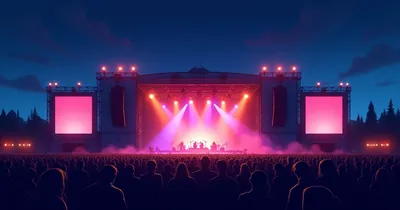
No zombie walk is complete without a soundtrack, and the Arizona event delivered on that front. Local horror punk band Calabrese performed alongside the Plainfield Butchers outside Revolver Records, giving the undead horde an appropriately atmospheric musical backdrop.
Horror punk as a genre has deep roots in zombie and horror culture. Pioneered by The Misfits in the late 1970s and carried forward by bands like The Horrorpops, Wednesday 13, and regional acts like Calabrese, the genre blends punk's aggressive energy with horror imagery — monster movies, B-film aesthetics, and supernatural themes. It's the natural musical companion to a zombie walk, where attendees are essentially living inside a horror movie for an evening.
Calabrese, a Phoenix-based trio known for their gothic horror punk sound, were a fitting headline act for an event celebrating the undead. Playing outside Revolver Records gave the performance an organic, street-level feel rather than the formality of a stage show — the band essentially performing for zombies shuffling past, which is precisely the kind of surreal entertainment that makes these events stick in memory.
The intersection of live music and participatory events is a powerful formula. When you combine costume, community, and performance, you create experiences that outlast any individual moment — the kind of nights people talk about for years. If zombie culture and horror punk sound interesting to you, checking out horror punk vinyl records is a great entry point into the genre's rich catalog.
The Art of Becoming Undead: Costume and Makeup Culture
What separates a great zombie walk from a mediocre one is the quality of the transformations. Dedicated participants spend hours — sometimes days — preparing their undead looks. The craft of zombie makeup has evolved considerably, drawing from professional theatrical techniques and the special effects artistry seen in films like Dawn of the Dead and The Walking Dead.
The basics of zombie transformation involve layered latex prosthetics, theatrical blood products, and specialized makeup designed to create the appearance of decomposed or damaged flesh. Skilled participants use techniques like stippling, foam latex application, and airbrushing to achieve genuinely disturbing results. The best zombie walkers don't just look dead — they've thought through the narrative of their character's death and let it inform every detail of their appearance.
For participants serious about their transformation, investing in quality zombie SFX makeup kits makes a significant difference in the final result. Professional-grade liquid latex for costume makeup allows for detailed wound and texture effects that standard Halloween face paint simply cannot replicate. Many veteran zombie walk participants also add distressed clothing — torn, stained, and weathered to match their character's backstory — completing a look that goes far beyond what you'd find at a costume shop.
Beyond the makeup itself, accessories matter. Zombie costume accessories like realistic-looking wounds, exposed bone prosthetics, and theatrical contact lenses can elevate a basic zombie costume into something genuinely striking. The community aspect of zombie walks means participants often share techniques and tips freely, creating an informal education network around the craft.
Surviving the Zombie Apocalypse: The Culture of Preparedness and Play
One of the more interesting cultural artifacts associated with the Arizona Zombie Walk was the reference to the Tumblr blog Surviving the Zombie Apocalypse as a resource for zombie survival tips. This detail reveals something significant about zombie walk culture: participants aren't just dressing up as the undead — they're deeply immersed in the fictional universe that zombie narratives create.
The zombie survival genre has become its own thriving subculture, with books, websites, and community discussions dedicated to theorizing about preparation, strategy, and community-building in a hypothetical undead apocalypse. Max Brooks' Zombie Survival Guide is the canonical text in this space, approaching the premise with genuine strategic seriousness that makes it compelling reading even for people who understand perfectly well that the zombie apocalypse is fictional.
What's fascinating about zombie survival culture is what it reveals about real human anxieties. Interest in preparedness, community resilience, and what happens when social infrastructure breaks down are themes that resonate far beyond monster movies. Many emergency management professionals have noted, only half-jokingly, that zombie apocalypse preparedness campaigns are effective precisely because people engage with them more enthusiastically than standard disaster preparedness messaging.
Zombie walks sit at the intersection of this survival culture and performance community. Participants are simultaneously the threat being survived and the community gathering to celebrate shared interest. It's a pleasantly paradoxical social ritual — the undead assembled peacefully, united by their love of the genre that makes them villains.
The History and Growth of Zombie Walks
The zombie walk as a cultural institution has surprisingly recent origins. The first documented zombie walk took place in Sacramento, California in 2001, organized by a small group of horror enthusiasts who simply thought it would be fun to shuffle through a shopping mall in undead makeup. The concept spread slowly at first, then explosively through the mid-2000s as social media allowed niche communities to organize and publicize events with unprecedented efficiency.
By 2011 — the year of the Arizona walk — zombie walks had become an established annual tradition in dozens of cities across North America, Europe, and Australia. Record-breaking zombie walk attempts became a popular metric, with cities competing for the title of largest gathering of the undead. The phenomenon was clearly connected to the broader cultural moment: The Walking Dead had premiered on AMC in October 2010, bringing zombie narratives to a massive mainstream television audience for the first time at that scale.
Phoenix's embrace of the zombie walk format made particular sense given the city's creative community. The First Friday art walk that provided the event's backdrop had itself grown from a small gallery initiative into one of Phoenix's signature cultural events. Roosevelt Row's transformation into a genuine arts district in the 2000s created the kind of urban environment where participatory, performative events could thrive.
Today, zombie walks continue as cultural fixtures, though the specific landscape has shifted. The golden age of television zombie drama has evolved into broader horror entertainment across streaming platforms, and the community of horror enthusiasts who attend events like zombie walks has remained a dedicated, creative subculture even as mainstream interest has fluctuated.
What Zombie Walks Reveal About Entertainment and Community
The most important thing to understand about zombie walks isn't the zombies — it's the walk. These events are fundamentally about community gathering around shared creative interest. The undead theme is almost incidental; what matters is that people are making elaborate costumes, meeting fellow enthusiasts, experiencing live music in an outdoor setting, and collectively creating something that individual effort couldn't produce.
This is the same impulse that drives cosplay conventions, Renaissance fairs, flash mobs, and immersive theater. People crave participatory entertainment — experiences where they aren't just audience members but active contributors to the spectacle. Zombie walks deliver this in a low-barrier, accessible format: you don't need an invitation or a ticket, you just need a costume and the willingness to shuffle convincingly.
The horror punk acts like Calabrese and the Plainfield Butchers who performed at the 2011 Arizona event understood this dynamic intuitively. Playing a show for a crowd of hundreds of zombies isn't a conventional gig — it's a collaborative performance where the audience is as much part of the entertainment as the band. That kind of creative exchange is rare and valuable.
It's worth noting that the entertainment community continues to find ways to generate these kinds of shared, participatory experiences. From immersive gaming experiences like Mixtape on Nintendo Switch 2 to live events and community gatherings, the hunger for creative participation remains a consistent driver of entertainment culture.
Analysis: Why the Undead Keep Walking
It would be easy to dismiss zombie walks as pure novelty — a quirky Halloween-adjacent tradition with limited cultural depth. That reading misses something important. The persistence and growth of zombie walk culture through the 2010s, and its survival even as the peak zombie media moment receded, points to something more durable.
Zombie walks offer something increasingly rare in entertainment: genuine unpredictability and community authorship. Nobody controls what a zombie walk looks like from moment to moment. The costume you encounter around the next corner might be terrifying, hilarious, or bizarrely inventive. The people around you are all contributing to the experience, not just consuming it. In an entertainment landscape increasingly dominated by algorithmically curated individual consumption, the collective spontaneity of a zombie walk feels genuinely countercultural.
There's also something worth noting about the choice of zombie specifically as the unifying fictional framework. Zombies — unlike vampires or werewolves — are fundamentally about mass, undifferentiated humanity. Individual zombies aren't interesting; zombie hordes are. This makes the zombie an unusually apt metaphor for community events where individual identity temporarily dissolves into collective participation. When you're in a zombie walk, you're not primarily yourself — you're part of the horde. That's either unsettling or liberating, depending on your perspective, and horror culture has always thrived in that ambiguity.
Frequently Asked Questions About Zombie Walks
What exactly is a zombie walk?
A zombie walk is an organized public event where participants dress as zombies — applying theatrical makeup, distressing their clothing, and adopting the shuffling, groaning mannerisms of the undead — and gather to walk through a public space together. Events vary in scale from small neighborhood gatherings to massive organized marches with thousands of participants. They typically occur around Halloween, though some take place year-round. The Arizona Zombie Walk on Roosevelt Row in Phoenix, held during the First Friday art walk on October 7, 2011, is a representative example of a mid-sized urban zombie walk integrated with an existing community event.
How do participants prepare for a zombie walk?
Serious zombie walk participants spend significant time on costume and makeup preparation. The foundation is typically theatrical makeup combined with latex prosthetics to create wound effects, combined with clothing deliberately distressed to match a zombie character's backstory. Many participants consult resources — historically including online communities and blogs like Surviving the Zombie Apocalypse — for both practical makeup tips and character inspiration. Essential supplies include theatrical fake blood, latex prosthetics, and specialized makeup. Movement and sound are equally important — the best zombie walk participants develop a convincing physical performance to accompany their visual transformation.
Are zombie walks family-friendly events?
This varies significantly by event. Many zombie walks welcome participants of all ages, with families bringing children in age-appropriate zombie costumes. The outdoor, street-level format means bystanders encounter participants unexpectedly, which can be startling for young children or people sensitive to horror imagery. Event organizers typically communicate clearly about the expected intensity of costumes and whether the event is positioned as family-inclusive or adult-oriented. The 2011 Arizona Zombie Walk, held during the First Friday art walk in a family-attended arts district, was relatively accessible, though the presence of horror punk bands playing outside Revolver Records suggests the evening had a distinctly adult creative energy.
What's the connection between zombie walks and horror punk music?
Horror punk emerged in the late 1970s with The Misfits, combining punk rock's energy and DIY ethos with horror movie imagery and aesthetic. The genre's themes — monsters, death, supernatural horror — align naturally with zombie culture. Bands like Calabrese, who performed at the 2011 Arizona Zombie Walk alongside the Plainfield Butchers outside Revolver Records, make music that essentially provides a soundtrack for the horror genre's sensibilities. Horror punk acts frequently appear at zombie walks, haunt events, and horror conventions, creating a complementary ecosystem between the music subculture and the costume/cosplay community.
How do zombie walks relate to broader zombie culture?
Zombie walks exist within a much broader ecosystem of zombie-themed entertainment, community, and creative work. This includes film and television (from George Romero's original films through The Walking Dead), literature (Max Brooks' work is foundational), video games, survival preparedness communities (earnest and ironic), and active fan communities. Zombie walks are the participatory, community performance expression of this broader culture — where fans don't just consume zombie media but embody it. The Arizona Zombie Walk coverage from the Phoenix New Times captures this community dimension clearly, documenting an event that was as much about the creative community it drew together as about any specific entertainment product.
Conclusion: The Undead as a Living Tradition
The Arizona Zombie Walk of October 7, 2011 — with horror punk ringing out from outside Revolver Records as Calabrese and the Plainfield Butchers played for an audience of the undead shuffling through Roosevelt Row during First Friday — represents something that looks trivial on the surface and reveals itself as genuinely meaningful on examination. These events are living proof that entertainment doesn't require a screen, a ticket, or a corporate production. It requires people willing to commit to a creative premise and gather around it together.
Zombie culture endures because it's fundamentally about community, creativity, and the pleasure of collective imagination. The specifics change — which bands are playing, which district hosts the walk, what year's zombie aesthetic is most popular — but the impulse remains constant. The undead walk because the living need them to, and because showing up in a crowd of fellow monsters, however briefly, answers something real about what people want from entertainment and from each other.
Whether you're a veteran zombie walker with a kit full of professional zombie makeup and a dozen walks behind you, or someone who's always been curious about the phenomenon, the invitation stands: find your local event, build your costume, and join the horde. The undead are surprisingly welcoming.