Trader Joe's Fried Rice Recall: 10M Pounds, Glass Risk
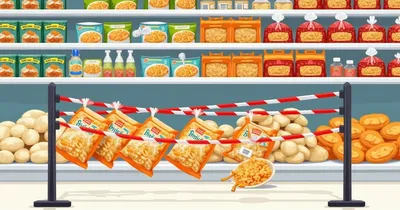
If you've recently purchased frozen fried rice from Trader Joe's, you may want to check your freezer immediately. A massive food safety recall has been escalating since February 2026, and on March 20, 2026, the FDA significantly expanded its scope — adding nearly 10 million pounds of Trader Joe's Vegetable Fried Rice to an already sprawling recall now totaling over 46 million pounds of frozen food products. Here's everything you need to know.
What Triggered the Trader Joe's Fried Rice Recall?
The recall began on February 19, 2026, after customers reported finding pieces of glass in frozen fried rice products. The original recall covered 3.37 million pounds of Trader Joe's Chicken Fried Rice and Ajinomoto Yakitory Chicken with Japanese-style Fried Rice. Investigators quickly began tracing the contamination to its source.
By March 3, 2026, the U.S. Department of Agriculture's Food Safety and Inspection Service (FSIS) had expanded the recall to 36.9 million pounds across five brands, and identified carrots used as an ingredient as the likely source of the glass contamination. The glass pieces found in affected products range from 1–3 cm long and 2–4 mm wide — large enough to pose a serious choking or injury hazard if swallowed.
The recall was officially initiated by Ajinomoto Foods North America Inc., the manufacturer behind many of the affected products, which supplies frozen Asian-style meals to multiple major retailers across the country.
The March 20 FDA Upgrade: What Class II Means for Consumers
On March 20, 2026, the FDA upgraded the recall to Class II status and announced the addition of 9,885,240 pounds (just under 10 million pounds) of Trader Joe's Vegetable Fried Rice to the recall. According to MSN Food News, this upgrade brought renewed urgency to a food safety crisis that had already been growing for over a month.
A Class II recall is defined by the FDA as a situation where the use of, or exposure to, a violative product may cause temporary adverse health consequences — or where the probability of serious adverse health consequences is remote. In plain terms: consuming glass-contaminated food could cause injury, but the FDA does not currently consider it likely to be life-threatening in most cases. That said, glass ingestion is never trivial and can cause lacerations to the mouth, throat, or digestive tract.
Important: Class II does not mean "safe." If you have any product covered by this recall, the FDA strongly advises you not to consume it.
Which Products Are Affected? The Full Recall List
The recall has grown to encompass a wide range of frozen Asian-style food products distributed under multiple brand names. The most recent expansion specifically targets Trader Joe's Vegetable Fried Rice, sold in 1 lb. bags, with approximately 411,885 cases affected. Best By dates on recalled packages range from February 28, 2026 to November 19, 2026.
As reported by the Las Vegas Sun, the broader recall campaign covers products across these brands:
- Trader Joe's — Vegetable Fried Rice, Chicken Fried Rice
- Ajinomoto — Yakitori Chicken with Japanese-style Fried Rice, various fried rice products
- Ling Ling — Fried rice varieties
- Tai Pei — Frozen Asian entrees
- Kroger — Store-brand Asian-style frozen meals
Product types affected across all brands include chicken fried rice, pork fried rice, ramen, shu mai dumplings, and vegetable fried rice. Retailers implicated in the recall include Trader Joe's, Kroger, Walmart, and Sam's Club.
For a detailed breakdown of affected SKUs and UPC codes, visit the official full recalled product list.
Geographic Scope: Which States Are Affected?
The recalled Trader Joe's Vegetable Fried Rice was distributed to 43 states across the country, making this one of the most geographically widespread frozen food recalls in recent memory. States with significant Trader Joe's footprints — including Texas, California, New York, Florida, and Nevada — are among those receiving affected products.
As Yahoo News reported, Texas consumers in particular have been highlighted in coverage given the state's large population and distribution volume. If you live in any of the lower 48 states, there is a meaningful chance your local Trader Joe's received recalled inventory.
Consumers in Nevada and neighboring Western states were also specifically flagged, with the Las Vegas Sun noting that the recall list "grew" significantly for those regions following the March 20 FDA update.
Timeline: How the Recall Escalated Over Five Weeks
Understanding the full timeline helps explain why this story continues to generate headlines more than a month after the initial recall:
- February 19, 2026: Original recall issued for 3.37 million pounds of Trader Joe's Chicken Fried Rice and Ajinomoto Yakitori Chicken with Japanese-style Fried Rice, following customer reports of glass fragments in food.
- March 3, 2026: FSIS expands the recall dramatically to 36.9 million pounds across five brands. Carrots are identified as the likely contamination source. Walmart and Kroger are added to the list of affected retailers.
- March 20, 2026: FDA upgrades the recall to Class II and adds 9,885,240 pounds of Trader Joe's Vegetable Fried Rice, bringing the total recall to over 46 million pounds.
As Yahoo News video coverage highlighted, the pace of this escalation is unusual — each new update has dramatically increased the scale, raising questions about supply chain oversight at the manufacturer level.
What Should You Do If You Have a Recalled Product?
If you have any Trader Joe's Vegetable Fried Rice, Chicken Fried Rice, or other products covered under this recall in your freezer, the FDA recommends the following steps:
- Do not eat the product. Even if it looks fine, glass contamination is not always visible from the outside of the bag.
- Check the Best By date. The affected Trader Joe's Vegetable Fried Rice has Best By dates between February 28, 2026 and November 19, 2026. Products outside this range are not part of the current recall.
- Return or dispose of the product. Trader Joe's typically offers full refunds on recalled items — no receipt required. Contact your local store or customer service for guidance.
- Seek medical attention if needed. If you or someone in your household has already consumed recalled product and experiences mouth pain, difficulty swallowing, abdominal pain, or bleeding, seek medical attention promptly.
- Report your experience. Consumers can report adverse reactions or findings to the FDA's MedWatch program or the USDA's FSIS consumer complaint hotline.
Frequently Asked Questions
Is Trader Joe's Chicken Fried Rice also recalled?
Yes. Trader Joe's Chicken Fried Rice was part of the original recall issued on February 19, 2026. The most recent expansion on March 20 specifically added Trader Joe's Vegetable Fried Rice. If you have either product, check the Best By date against the official recall dates and do not consume it if it falls within the affected range.
How did glass get into frozen fried rice?
Investigators identified carrots used as an ingredient as the likely source of the glass contamination. Glass can enter food supply chains through broken equipment during harvesting or processing — such as a cracked sorting machine or conveyor component. Ajinomoto Foods North America is the manufacturer behind the affected products across all brands.
What does a Class II recall mean — is it dangerous?
A Class II recall means the FDA believes consumption could cause temporary or medically reversible adverse health effects. In this case, the hazard is physical injury from glass ingestion, which can range from minor mouth irritation to more serious internal lacerations depending on the size and position of the glass fragment. Do not dismiss a Class II recall as "minor" — simply avoid consuming any recalled product.
Can I get a refund from Trader Joe's?
Trader Joe's has a strong customer satisfaction policy and generally provides full refunds on recalled items, with or without a receipt. Bring the product to your nearest Trader Joe's location or contact their customer relations team directly for assistance.
Are other brands besides Trader Joe's affected?
Yes. The broader recall includes products sold under the Ajinomoto, Kroger, Ling Ling, and Tai Pei brands — all manufactured by Ajinomoto Foods North America. Retailers including Walmart, Sam's Club, and Kroger have also been affected by earlier stages of the recall. Always check UPC codes and Best By dates against the official FSIS recall notices for your specific product.
Conclusion
The Trader Joe's fried rice recall has grown into one of the largest frozen food safety events of 2026, now encompassing over 46 million pounds of product across five brands and 43 states. The March 20 FDA upgrade to Class II status — and the addition of nearly 10 million more pounds of Vegetable Fried Rice — signals that this situation is still developing and that consumers should remain vigilant.
The core takeaway is simple: check your freezer now. If you have any Trader Joe's Vegetable or Chicken Fried Rice with a Best By date in the affected range, do not eat it. Return it for a refund and monitor the FDA and USDA FSIS websites for further updates as this recall continues to evolve.
Stay Updated
Get the latest trending insights delivered to your inbox.
Sources
- MSN Food News msn.com
- Las Vegas Sun lasvegassun.com
- full recalled product list msn.com
- Yahoo News yahoo.com
- Yahoo News video coverage yahoo.com