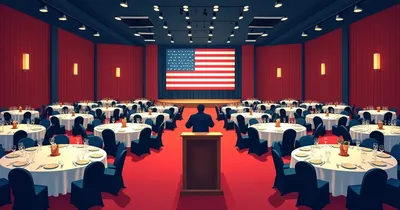
On April 23, 2026, Prince Harry, Duke of Sussex, stepped off an overnight train at Kyiv's central railway station — unannounced, under the cover of darkness, and with a message the world needed to hear. His surprise arrival in Ukraine marks his third visit to the country since the full-scale Russian invasion began, and his appearance at the Kyiv Security Conference signals that Harry is increasingly positioning himself as a genuine diplomatic voice on one of the defining conflicts of our era, not simply a celebrity face lending star power to a cause.
The visit comes during a week that also saw Meghan's lifestyle brand As ever launch a Mother's Day collection, and tabloid reports — quickly debunked — claiming the couple had trademarked their children's royal names. Together, these stories illustrate just how much the Sussex narrative has fractured into multiple simultaneous threads: humanitarian advocate, lifestyle entrepreneur, and perpetual target of royal rumor. This article untangles all of them.
The Overnight Train Journey: A Deliberate Statement in Itself
Harry's method of travel was no accident. He secretly traveled from Poland to Ukraine on an overnight train under the cover of darkness — the same route taken by dozens of foreign leaders, including President Biden in 2023, who have made the symbolic journey into a warzone by rail rather than air, because Ukrainian airspace remains closed to commercial flights.
The overnight train from the Polish border to Kyiv takes roughly 10-12 hours and is itself a statement of solidarity. You don't casually board that train. You do it because you want to be there, and you want people to know that getting there required something of you. Upon arriving at Kyiv railway station, Harry reportedly said, "It's good to be back in Ukraine" — a line that carries more weight knowing this is his third visit to a country still actively at war.
The unannounced nature of the trip also served a security function. In wartime Kyiv, advance notice of a high-profile visitor creates risk. But it also served a rhetorical one: in a media environment where every royal movement is pre-announced and stage-managed, showing up without fanfare carries its own message about intention.
What Harry Said at the Kyiv Security Conference
The centerpiece of Harry's visit is the two-day Kyiv Security Conference, where he is scheduled to deliver remarks urging world leaders not to become "numb" to the conflict in Ukraine. His framing goes beyond standard diplomatic boilerplate. Harry told those gathered: "The world sees you and respects you" — addressing the Ukrainian people directly in language that is personal, not procedural.
His characterization of the war as being "about values, not just territory" is the kind of framing that cuts through diplomatic hedging. It rejects the realpolitik argument — popular in some Western circles — that Ukraine should negotiate away land in exchange for peace. Harry is making a moral argument: that how the war ends matters as much as that it ends.
Equally significant was his condemnation of Russia's removal of Ukrainian children. Harry called it a "systematic and intentional" act, noting it would face consequences at the International Criminal Court. This is not a new issue — the ICC issued an arrest warrant for Vladimir Putin in March 2023 in connection with the unlawful deportation of Ukrainian children — but Harry's language was sharp and deliberate. He is not softening the charge or framing it as "alleged." He is treating it as an established fact with legal consequences pending.
"This is a war about values, not just territory." — Prince Harry, Kyiv Security Conference, April 23, 2026
Harry also issued what was described as a rare call for American leadership, delivered in the days immediately before King Charles's planned U.S. state visit. The timing is notable: while the official royal family engages with American political leadership through formal diplomatic channels, Harry is making a public appeal to the American public and its government — in Ukraine, from the front line of the values argument he's advancing. The two tracks of British royal engagement with the United States, the institutional and the personal, are now running simultaneously and in strikingly different registers.
Diana's Legacy: The HALO Trust and De-Mining in Ukraine
Among the most substantive parts of Harry's visit is his planned trip to The HALO Trust, the de-mining charity his late mother Princess Diana famously championed in the 1990s. The images of Diana walking through Angolan minefields in 1997 helped galvanize international support for the Ottawa Treaty banning landmines — and those images remain among the most powerful in the history of humanitarian advocacy.
What's less widely known is that HALO Trust's Ukrainian operation is now its largest globally. With 1,300 workers operating across Ukraine, the organization is clearing landmines and unexploded ordnance left behind by years of intense fighting. Ukraine is now one of the most heavily mined countries in the world, and the HALO Trust's work there will continue for years — possibly decades — after any ceasefire.
Harry's visit to HALO connects his mother's legacy to a live, active, urgent crisis in a way that no press statement could. It's also a reminder that humanitarian work in conflict zones isn't a one-time gesture — it's institutional, slow, and requires sustained attention precisely when the news cycle has moved on. That's exactly the dynamic Harry warned against in his conference remarks about the world going "numb."
The Invictus Games Foundation: Wounded Veterans on Both Sides of the Ocean
Harry founded the Invictus Games in 2014 as a response to his own experiences serving in Afghanistan and witnessing the psychological and physical toll on wounded veterans. The games use sport as a framework for rehabilitation, community, and dignity for injured service members and veterans. Ukraine now has a significant contingent of Invictus participants — soldiers wounded in the war with Russia who have found a path through sport.
Harry's time with these Ukrainian participants during his Kyiv visit underscores the personal dimension of his advocacy. He is not arriving as a distant benefactor; he served in combat himself, and his understanding of what war does to the people who fight it is experiential. That credibility is not nothing. It is, arguably, the foundation of why his voice carries weight in these conversations in ways that purely celebrity activism does not.
His visit to Ukraine follows a recent Australian tour he completed alongside Meghan. The couple has maintained a high public profile internationally even as their relationship with the British royal family remains complicated and their legal battles with British tabloids continue.
Meghan's As ever Collection and the Trademark Rumor That Wasn't True
On April 22, 2026 — the day before Harry arrived in Kyiv — Meghan's lifestyle brand As ever launched a Mother's Day collection. The collection's flagship products are two candles: the As ever Signature Candle No. 506 and the As ever Signature Candle No. 604, each retailing for $64.
The numbers are not arbitrary. Candle No. 506 references May 6 — the birthdate of Prince Archie, now 6 years old. Candle No. 604 references June 4 — the birthdate of Princess Lilibet, now 4. It's the kind of personal, layered detail that Meghan's brand consistently deploys to signal authenticity and intimacy with her audience.
Within hours of the launch, reports began circulating that Harry and Meghan had trademarked their children's royal names — Prince Archie and Princess Lilibet. The story spread quickly. PEOPLE magazine confirmed the reports were false. The children's names had not been trademarked.
The episode is instructive about the current media environment around the Sussexes. The coincidence of a lifestyle product launch and the numerical references to the children's birthdates was enough to generate a false story that was widely shared before it was debunked. For context: Archie and Lilibet received their formal royal titles — Prince and Princess — when King Charles acceded to the throne in 2022, following Queen Elizabeth II's death. The titles are hereditary and automatic under Letters Patent; they are not brand assets to be trademarked.
What This Visit Means: Analysis
Harry's Kyiv trip is the clearest signal yet that he is carving out a post-royal identity as a substantive humanitarian and diplomatic figure — not just a former prince who gives interviews about palace dysfunction. Three visits to a country at war, an appearance at a security conference, pointed remarks about international law, and a personal connection through both his military service and his mother's legacy: this is a coherent portfolio of engagement, not a series of disconnected photo opportunities.
The timing relative to King Charles's U.S. state visit is worth examining. The official royal family will engage American political leadership through the careful protocols of state diplomacy. Harry, operating entirely outside those structures, is making a public, values-based appeal from the middle of a war zone. Whether intentional or not, the contrast is stark. The monarchy's engagement with the U.S. is institutional and cautious; Harry's is personal and urgent.
There is also a genuine question about what role, if any, private citizens with high profiles and relevant expertise should play in international conflict diplomacy. Harry's critics will argue he is a private individual with no official mandate, injecting himself into geopolitics for personal brand reasons. His defenders — and the Ukrainian government's apparent welcome of his visits — would argue that sustained, high-visibility attention from figures outside official government channels is exactly what keeps conflicts from fading from public consciousness.
On the home front, Meghan's As ever collection represents a mature phase of her brand-building: products with personal meaning priced accessibly enough to feel intimate but premium enough to signal quality. The trademark debacle, while frustrating, is unlikely to slow the brand's momentum. If anything, a quick debunking in PEOPLE — one of the most-read celebrity outlets in the U.S. — probably did more to clarify the actual facts than a hundred unread corrections.
Frequently Asked Questions
Why did Prince Harry travel by overnight train to Kyiv?
Ukraine's airspace has been closed to commercial flights since Russia's full-scale invasion began in February 2022. The overnight train from Poland is the standard route for foreign visitors, including heads of state, who wish to travel to Kyiv. Harry's unannounced journey followed the same path taken by other international leaders as a gesture of solidarity with Ukraine.
What is the Kyiv Security Conference?
The Kyiv Security Conference is a high-level gathering that brings together international officials, military leaders, and policy experts to discuss Ukraine's security situation and coordinate international support. Harry's attendance — and his scheduled remarks urging world leaders not to grow "numb" to the conflict — reflect his ongoing role as an advocate for sustained international attention to the war.
Did Harry and Meghan trademark their children's royal names?
No. Reports claiming that Prince Archie and Princess Lilibet's names had been trademarked were confirmed false by PEOPLE magazine. The children received their royal titles automatically when King Charles acceded to the throne in 2022 — these are hereditary titles, not commercial brand assets.
What is the HALO Trust and why is Harry visiting it?
The HALO Trust is an international de-mining charity that was famously championed by Harry's late mother, Princess Diana. Diana's 1997 campaign against landmines helped build global momentum for the Ottawa Treaty. The HALO Trust's Ukrainian operation is now its largest worldwide, employing 1,300 workers to clear mines and unexploded ordnance. Harry's visit connects his mother's legacy to the active humanitarian crisis in Ukraine.
What is Meghan's As ever brand?
As ever is Meghan's lifestyle brand, which launched with a focus on premium home and food products. The Mother's Day collection released on April 22, 2026, featured the As ever Signature Candle No. 506 and Signature Candle No. 604, priced at $64 each. The candle numbers reference the birthdates of Harry and Meghan's children: Archie (May 6) and Lilibet (June 4).
Conclusion
Prince Harry's surprise visit to Kyiv on April 23, 2026 is not the story of a celebrity seeking relevance. It is the story of a man who has, over multiple years and multiple visits, built a consistent record of engagement with one of the defining conflicts of our time — and who arrived at a security conference with something substantive to say about values, international law, and the danger of collective indifference.
The noise around Meghan's candle collection and the debunked trademark story will fade within days. What will persist is the image of Harry stepping off an overnight train in Kyiv, visiting Diana's de-mining charity, spending time with wounded Ukrainian veterans through the Invictus Foundation, and telling a room full of officials that this war is about more than territory. That's a record. Whether you find it credible or self-serving will depend on your prior view of the Duke of Sussex — but the record is there, and it is consistent.
For a conflict now entering its fifth year, the greatest threat may not be military or political but attentional. Harry's core message — don't go numb — is, whatever one thinks of its messenger, a genuinely important one.