Apple's Biggest Bet Yet: The Foldable 'iPhone Ultra' and What We Know About iPhone 18 Pro
Apple is preparing to make two of the most significant product announcements in its recent history — and the rumor mill is running hot. Fresh leaks from supply chain sources and a report from Bloomberg's Mark Gurman, dropping April 17–18, 2026, have sharpened the picture considerably: a foldable iPhone called the iPhone Ultra is targeting a fall 2026 reveal, and the iPhone 18 Pro is getting a striking new signature color called Dark Cherry.
These aren't vague speculation. The sourcing here — Gurman's engineering contacts plus an exclusive supply chain reveal via Macworld — represents some of the most reliable signal Apple watchers have seen in years. Both stories landed within 24 hours of each other, and together they paint a picture of an Apple that's simultaneously managing a high-risk hardware pivot while also carefully tending to the aesthetic identity of its flagship lineup.
Here's everything we know, what it means, and why it matters more than a typical annual iPhone refresh.
The Foldable iPhone Ultra: A Name, a Timeline, and a Durability Promise
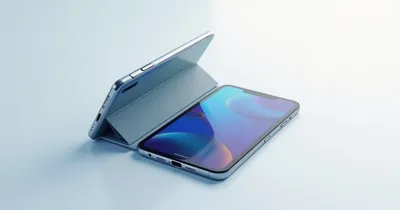
The biggest news is the name. According to a leaker cited in the MacRumors weekly roundup, Apple's foldable device will carry the iPhone Ultra branding — not iPhone Fold, not iPhone Flip, but Ultra. That's significant. Apple has previously reserved "Ultra" for its most powerful chips (M-series Ultra) and for the Apple Watch Ultra, positioning the label as a premium-above-premium tier. Calling the foldable an "Ultra" rather than a "Fold" signals that Apple isn't framing this as a form-factor experiment — it's positioning this as the definitive top-tier iPhone.
On the engineering side, Bloomberg's Mark Gurman reports that Apple engineers believe they've solved the two core problems that have plagued competing foldables: screen quality and overall durability. That's a direct shot at Samsung's Galaxy Z Fold line and Google's Pixel Fold — both of which have struggled with crease visibility and long-term hinge reliability. Apple's approach, reportedly, is to come out of the gate with a product that doesn't feel like a first-generation compromise.
The Samsung Galaxy Z Fold 6 and Google Pixel 9 Pro Fold have both been commercially successful but remain niche products — partly because early adopters have been burned by durability concerns and screen creasing that makes reading uncomfortable over time. If Apple has genuinely solved these issues, the market implications are enormous.
Production Delays and the Risk of a 2027 Slip
There's a catch, and it's a meaningful one. Production of the foldable iPhone is reportedly behind schedule. Apple is still officially targeting a fall 2026 launch — likely alongside the iPhone 18 lineup at the traditional September event — but some rumors suggest availability could slip into early 2027.
This is where Apple's history becomes instructive. The company has delayed products before rather than ship something that doesn't meet its standards. The original AirPower charging mat was cancelled entirely rather than released with inferior performance. The first Apple Watch had significant software limitations at launch that Apple later corrected. A first-generation foldable device carries compounding risk: new hardware form factor, new manufacturing tolerances, new software adaptations. A delay would be frustrating but not surprising.
The fall 2026 target also puts Apple in competition with itself. If the iPhone Ultra launches at the same September event as iPhone 18 Pro, Apple will be asking consumers to choose between a known quantity (a refined slab-style flagship) and a new form factor at a likely higher price point. That's a delicate marketing challenge. A slip to early 2027 might actually give Apple cleaner messaging — let iPhone 18 be the mainstream story, then let Ultra have its own moment.
Apple engineers reportedly believe they've solved the screen quality and durability problems that have held back competing foldables — a direct challenge to Samsung and Google's existing fold lineups.
iPhone 18 Pro's Dark Cherry Color: What It Actually Looks Like
Separate from the foldable drama, Macworld's exclusive supply chain reveal dropped a significant detail for the standard iPhone lineup: the iPhone 18 Pro's signature new color is called Dark Cherry.
The description matters here. Earlier rumors had suggested Apple was experimenting with a bright red option — something vivid, almost candy-like. Dark Cherry is described as closer to wine than fruit punch. Think a deep, muted burgundy-red with some darkness to it, not the saturated (PRODUCT)RED aesthetic that Apple uses for charitable editions. This is a fashion-forward color choice designed to sit alongside silver and gray options without clashing — more understated luxury than statement piece.
For context on Apple's color strategy: the introduction of Deep Purple for iPhone 14 Pro was divisive but proved to be a strong seller among consumers who wanted something distinctive without going full-bright. Cosmic Orange on the current lineup is reportedly being discontinued, suggesting Apple is pivoting away from warmer tones and leaning into cooler, more sophisticated hues.
The Full iPhone 18 Pro Color Lineup (So Far)
Beyond Dark Cherry, Macworld's source revealed additional colors in development for the iPhone 18 Pro lineup:
- Dark Cherry — the headline new color, a deep wine-adjacent red
- Light Blue — a continuation of cooler tones that have tested well in recent years
- Dark Gray — a rich charcoal option, likely replacing or evolving from existing gray variants
- Silver — the perennial classic, always in the lineup
Notably absent from this list: Cosmic Orange, which is expected to be discontinued. This pruning is consistent with Apple's pattern — introduce a bold color, let it have its moment for one or two cycles, then rotate it out when it stops feeling fresh.
The critical caveat from the source: colors are still in development and could change before mass production begins. Apple's industrial design team iterates extensively on finishes right up to production lock. A color that looks right in prototypes can fail quality control at scale — getting consistent deep pigmentation across titanium or aluminum housing is genuinely hard. Dark Cherry in particular, with its rich saturation, is the kind of finish that could shift meaningfully between early samples and final production units.
Why the 'iPhone Ultra' Name Is Apple's Most Important Branding Decision in Years
The naming choice deserves more analysis than it typically gets. Apple has used three naming conventions for iPhones: numerical tiers (base, Plus, Pro, Pro Max), material/feature callouts (SE for affordability, Max for size), and now potentially Ultra for premium-above-premium.
By calling the foldable an Ultra rather than giving it a distinct product line name, Apple is signaling that this device is still an iPhone — just the highest expression of one. This matters for ecosystem continuity. Apps, accessories, Apple Intelligence features, and iCloud services are all iPhone-native. An iPhone Ultra is still an iPhone in the way that matters for the installed base of 1.4 billion active devices.
Compare this to how Samsung and Google have handled foldables: distinct sub-brands (Z Fold, Pixel Fold) that feel like a separate product category. Apple's Ultra strategy, if it holds, would mean the foldable competes directly at the top of the iPhone lineup rather than adjacent to it. That's a bolder market position and a more coherent story for Apple's existing customers.
What This Means for the Broader Smartphone Market
Apple entering the foldable market with a mature, durability-focused product changes the competitive landscape significantly. Samsung has had years to iterate on the Galaxy Z Fold form factor and still hasn't cracked mainstream adoption. The Google Pixel Fold is an excellent device but remains a niche product.
Apple's entry will do what it always does in categories it enters late: set a new floor for consumer expectations. If the iPhone Ultra ships with a crease-free display and a hinge that genuinely feels durable over multi-year use, every other foldable manufacturer will face immediate pressure to match those standards or discount aggressively. The foldable category could go mainstream in 2026–2027 not because of any single innovation but because Apple's involvement brings mass-market credibility.
There's also an accessory ecosystem implication. The current market for foldable-specific cases, stands, and accessories is thin because the installed base is small. An Apple foldable with even modest sales numbers would immediately justify a robust accessory market. iPhone Ultra cases and protective accessories will arrive fast — and that ecosystem effect further reinforces adoption.
Analysis: What Apple Is Really Doing Here
Reading these two stories together — the foldable Ultra and the iPhone 18 Pro color reveal — reveals something interesting about Apple's strategic posture heading into the second half of 2026.
On the iPhone 18 Pro side, Apple is playing a meticulous refinement game. Dark Cherry is an evolution of the color strategy, not a revolution. The decision to replace Cosmic Orange with something more muted and sophisticated suggests Apple is chasing a slightly older, more style-conscious demographic — the buyer who wants their phone to feel like a luxury object rather than a tech toy. That buyer is also exactly who might pay a premium for an iPhone Ultra.
On the foldable side, the emphasis on durability and engineering quality over novelty is very Apple. Every piece of public messaging around the iPhone Ultra focuses on what they've fixed rather than what they've added. That's a calculated counter-positioning against the Android foldable narrative, which has often led with features (multitasking! big screen!) while glossing over the real-world durability compromises.
The production delay risk, though, is the variable that could unravel the strategy. Apple's credibility with foldables depends on launching a product that definitively feels better than what Samsung and Google have built. A rushed launch that still shows creasing or durability issues would be uniquely damaging — not just to the iPhone Ultra, but to the perception that Apple's "late but better" approach is still valid in 2026.
Frequently Asked Questions
When will the foldable iPhone Ultra be released?
Apple is targeting a fall 2026 launch, most likely at the September iPhone event. However, production is reportedly behind schedule, and some leakers believe availability could slip to early 2027. Until Apple makes an official announcement, treat any specific date as speculative.
How much will the iPhone Ultra cost?
No pricing has been confirmed. Based on comparable foldables — the Samsung Galaxy Z Fold 6 starts at $1,899 — and Apple's premium positioning, analysts widely expect the iPhone Ultra to exceed $2,000. Some projections put it at $2,500 or higher, particularly if Apple uses a premium titanium hinge assembly similar to what's in the Pro lineup.
Is Dark Cherry confirmed for iPhone 18 Pro?
Macworld's supply chain source reveals it as a color in development, but colors can change before mass production. Apple's manufacturing process involves extensive iteration on finishes. Dark Cherry is the most credible leak we have for a new iPhone 18 Pro color, but it isn't locked until production begins — typically a few weeks before launch.
What's the difference between iPhone 18 Pro and iPhone Ultra?
Based on current rumors, these are distinct products targeting different buyers. The iPhone 18 Pro is the traditional flagship slab form factor — refined, refined, refined. The iPhone Ultra would be the foldable device, priced above Pro and aimed at users who want the largest possible screen that still fits in a pocket. Think of Ultra as a separate tier above Pro Max, not a replacement for it.
Will Apple discontinue current Pro colors when iPhone 18 launches?
According to the Macworld report, Cosmic Orange is expected to be discontinued with the iPhone 18 Pro launch. Other current Pro colors may also rotate out. Apple typically keeps its Pro lineup to four color options at launch, which means introductions (Dark Cherry, Light Blue) will likely displace existing options (Cosmic Orange, possibly others).
The Bottom Line
The Apple rumor cycle this week delivered two genuinely consequential stories rather than the usual incremental spec bumps. The iPhone Ultra, if it ships with the durability profile Gurman's sources describe, could be the product that legitimizes the foldable category for mainstream consumers — not just early adopters willing to accept tradeoffs. And Dark Cherry on the iPhone 18 Pro suggests Apple is continuing its evolution toward a more fashion-forward, premium aesthetic that differentiates Pro from the base lineup in ways beyond just specs.
The critical watch item between now and fall 2026 is whether production delays push the iPhone Ultra past its September window. Apple has significant credibility riding on entering the foldable market with a product that definitively raises the bar. A premature launch that doesn't deliver on Gurman's durability promises would be more damaging than another year of patience. For now, the signal from inside Apple suggests they know the stakes — and they're not shipping until they're confident.
Keep following the supply chain leaks from MacRumors and Macworld as September approaches — this story will move fast once production ramps and units start appearing in supply chain photos.