Jeremy Hansen: Canada's First Astronaut to the Moon
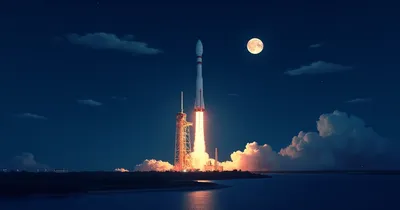
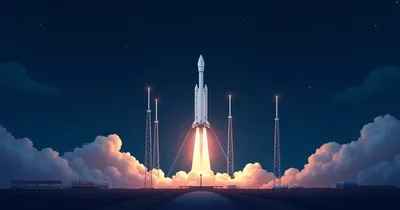
On the evening of April 1, 2026, history is being written 685,000 miles above Earth. NASA's Artemis II mission is launching from Kennedy Space Center, carrying four astronauts on the first crewed lunar flyby since Apollo 17 in 1972. Among them is Jeremy Hansen — a Canadian colonel, CF-18 fighter pilot, and the first non-American astronaut ever to travel to the moon. For Hansen's hometown of Ingersoll, Ontario, and for all of Canada, tonight is nothing short of a national milestone.
Who Is Jeremy Hansen?
Jeremy Hansen grew up in Ingersoll, Ontario, a small town that is now erupting with pride as one of its own prepares to cross the threshold of lunar space. A graduate of Ingersoll District Collegiate Institute — where his yearbook photo from 1992 gives little hint of the cosmic destiny ahead — Hansen went on to become a decorated colonel and CF-18 Hornet fighter pilot with the Royal Canadian Air Force before being selected by the Canadian Space Agency as an astronaut.
What makes Hansen's journey particularly remarkable is the sheer scale of the "first" attached to his name: first Canadian to travel beyond Earth's orbit and first non-U.S. astronaut to fly to the moon. Despite years of training alongside NASA crews and participation in ground-based missions, Artemis II marks Hansen's first-ever spaceflight. He goes not just to low-Earth orbit — but straight to the moon.
According to CBC News, Ingersoll residents have been rallying with watch parties, street decorations, and community celebrations, encapsulating the pride of a small town sending one of its own to the stars.
The Artemis II Crew: Four Astronauts, One Historic Mission
Hansen serves as a Mission Specialist aboard the Orion spacecraft, which the crew has named "Integrity" — a fitting tribute to the precision and trust required for such an audacious mission. He is joined by three NASA veterans:
- Commander Reid Wiseman — a veteran NASA astronaut leading the four-person crew.
- Pilot Victor J. Glover Jr. — who will become the first person of color to travel to the moon, a landmark achievement in both space exploration and civil rights history.
- Mission Specialist Christina Koch — who holds the record for the longest single spaceflight by a woman at 328 days, and who participated in the first all-female spacewalk in October 2019.
Together, this crew represents not just technological achievement but a deliberate broadening of who gets to explore the cosmos. As Yahoo News reports, the Artemis II crew embodies NASA's commitment to inclusion and international partnership in the new era of lunar exploration.
How Canada Earned a Seat at the Moon
Hansen's historic seat didn't come by accident. Canada's contribution to the Artemis program is deeply tied to its world-class robotics expertise. The Canadian Space Agency developed Canadarm3, an advanced robotic system for NASA's Lunar Gateway — the planned lunar orbital outpost that will support future Artemis missions. In exchange for that critical technological contribution, Canada secured a coveted crew position on an Artemis mission.
It's a model of international cooperation that echoes Canada's earlier partnership with NASA, when the original Canadarm became an iconic feature of the Space Shuttle program. As MSN Canada explains, Canadian engineering ingenuity once again opened the door to deep space — and Jeremy Hansen walked right through it.
What Will Artemis II Actually Do?
It's important to understand what Artemis II is — and what it is not. This is not a moon landing. Instead, the mission is a critical lunar flyby designed to test the Orion spacecraft's systems under real deep-space conditions, with human crew aboard for the first time.
Here's what the 10-day mission involves:
- Launch aboard NASA's Space Launch System (SLS) rocket from Kennedy Space Center Launch Complex 39B.
- A journey of approximately 685,000 miles in total.
- A close flyby of the moon, using lunar gravity to loop the spacecraft back toward Earth.
- Testing of life support systems, navigation, communication, and crew operations in deep space.
- Splashdown and recovery in the Pacific Ocean.
On March 30, 2026, the crew visited the fully assembled SLS rocket and Orion spacecraft at Launch Complex 39B for final pre-launch inspections — a moment captured widely in the media and building enormous public anticipation. The data gathered from Artemis II will directly inform Artemis III, currently targeted for 2027, which will finally return humans to the lunar surface for the first time in over 50 years.
For a full profile of the crew and mission objectives, MSN's deep-dive on the Artemis 2 crew provides excellent detail.
The Significance of the First Human Deep-Space Flight Since 1972
The last time humans traveled beyond low-Earth orbit was December 1972, when Apollo 17 astronauts Eugene Cernan, Harrison Schmitt, and Ronald Evans completed the final lunar mission of the Apollo era. For over five decades, human space travel has been confined to the relatively close neighborhood of the International Space Station, just a few hundred miles above Earth's surface.
Artemis II shatters that ceiling. When the Orion spacecraft passes beyond the boundary of low-Earth orbit, it will carry four people farther from home than any humans have traveled in 54 years. The psychological and symbolic weight of that moment is enormous — not just for NASA, but for every nation that has ever looked up at the moon and dreamed.
As The New York Times notes, Hansen's inclusion signals a new chapter in which deep-space exploration is no longer the exclusive province of American astronauts — it belongs to all of humanity.
Ingersoll, Ontario: A Town on Top of the World
While the global space community watches Kennedy Space Center, the town of Ingersoll, Ontario is experiencing its own form of liftoff. Residents have organized community watch parties, local businesses have decorated their storefronts, and schools are incorporating the mission into live classroom discussions. For a town of modest size, the pride is anything but small.
Hansen has spoken warmly of his roots, and the community's response reflects that bond. His journey from a kid growing up in southwestern Ontario to a mission specialist orbiting the moon is the kind of story that inspires entire generations of young Canadians to consider careers in science, technology, engineering, and mathematics.
The CBC's on-the-ground coverage from Ingersoll — 'From our little town to the moon' — captures the emotional resonance of this moment for the community that helped shape him.
Frequently Asked Questions About Jeremy Hansen and Artemis II
Is Jeremy Hansen actually landing on the moon?
No. Artemis II is a lunar flyby mission, not a landing. The crew will travel around the moon and return to Earth over 10 days. The mission is designed to test the Orion spacecraft's systems in deep space with a human crew. A lunar landing is planned for Artemis III, expected in 2027.
Is this Jeremy Hansen's first trip to space?
Yes. Despite years of training as a Canadian Space Agency astronaut, Artemis II is Hansen's first-ever spaceflight — making his debut in space all the more extraordinary, as he goes directly to the moon rather than to the International Space Station.
Why does Canada have a seat on the Artemis II mission?
Canada earned its Artemis crew seat through its contribution of Canadarm3, an advanced robotic system for NASA's Lunar Gateway. The international partnership agreement between NASA and the Canadian Space Agency included a guaranteed crew position on an Artemis mission in exchange for this critical technology.
What records does Christina Koch hold?
Christina Koch holds the record for the longest single spaceflight by a woman, at 328 days. She also participated in the first all-female spacewalk in October 2019, alongside fellow astronaut Jessica Meir.
When is the next Artemis mission after Artemis II?
Artemis III is the next planned mission, currently expected to launch in 2027. It will be the mission that returns humans to the lunar surface for the first time since Apollo 17 in 1972, including the first woman and first person of color to walk on the moon.
Conclusion: A Giant Leap for Canada — and Humanity
Jeremy Hansen's seat aboard the Orion spacecraft "Integrity" is more than a personal achievement. It is a statement about the future of space exploration — one that is international, inclusive, and driven by curiosity that knows no borders. As the SLS rocket climbs into the Florida sky on April 1, 2026, it carries not just four astronauts, but the hopes of a generation that has waited 54 years for humanity to reach beyond low-Earth orbit again.
For Canada, for Ingersoll, Ontario, and for every child who has ever pressed their face to a window and stared at the moon, tonight is proof that the impossible is just the next mission waiting to be approved. Jeremy Hansen didn't just get a seat on Artemis II — he earned it, and he carries a nation with him.
The Artemis II mission is expected to last 10 days, covering approximately 685,000 miles, before splashdown in the Pacific Ocean. Artemis III — the actual lunar landing — is targeted for 2027.
Related Products
We may earn a commission from purchases made through these links.
Top Rated: Jeremy Hansen
Best SellerHighest rated options for jeremy hansen. See current prices, reviews, and availability.
Check Price on AmazonBest Value: Jeremy Hansen
Best ValueTop-rated budget-friendly options for jeremy hansen. Compare prices and features.
Check Price on AmazonJeremy Hansen Gadgets
RelatedPopular gadgets related to jeremy hansen. Find the perfect match.
Check Price on AmazonTech Insider Updates
Get breaking tech news and product launches first.
Sources
- CBC News cbc.ca
- Yahoo News reports yahoo.com
- MSN Canada explains msn.com
- MSN's deep-dive on the Artemis 2 crew msn.com
- The New York Times notes nytimes.com