How Many People Attend Coachella? Everything You Need to Know About the Festival's Scale
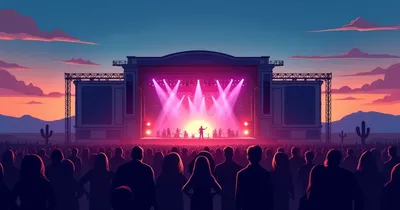
Coachella draws 125,000 attendees per weekend, making it one of the largest and most culturally significant music festivals in the world. In 2026, the festival runs across two consecutive weekends in Indio, California, meaning up to 250,000 unique ticket holders experience the event in total. Both weekends for 2026 sold out within roughly a week of ticket release — a pattern that has defined the festival for over 15 years. If you've ever wondered just how massive Coachella really is, the numbers tell a story that goes well beyond the headliners.
The Core Numbers: Coachella 2026 by the Stats
According to data compiled on Coachella's attendance figures, the 2026 festival hosts 125,000 people per weekend across seven stages. That crowd watches more than 160 artists perform in a single weekend, adding up to over 1,100 hours of live music across the entire event. To put that in perspective, you could watch live music nonstop for 45+ days and still not exhaust what Coachella packs into a single weekend.
Those 125,000 daily attendees don't all look the same. The average age of a Coachella-goer is around 28, and nearly 45% are attending for the very first time. Perhaps most striking: fans travel from over 60 countries to be there, cementing the festival's status not just as an American cultural touchstone but as a genuinely global event.
How Coachella's Attendance Has Grown Over the Years
Coachella didn't always fill a 125,000-person field. When the festival debuted in 1999 at the Empire Polo Club in Indio, California, it was a modest experiment in desert-based live music. In 2008, when Prince took the stage, daily attendance hovered around 51,000 people — a strong showing for the time, but less than half of what today's festival accommodates.
By 2006, Daft Punk's legendary performance was already building the festival's reputation as a destination for career-defining sets. Then came the expansion: the addition of a second weekend in 2012 effectively doubled the event's capacity and revenue potential. Since then, Coachella has sold out almost every year since 2010, a streak that reflects both pent-up demand and savvy management of scarcity.
The 2018 festival marked a cultural watershed moment. Beyoncé's now-legendary "Beychella" performance drew over 100,000 fans on-site and an astonishing 458,000 simultaneous livestream viewers — the largest single-stage crowd in the festival's history. Harry Styles carried that energy forward in 2022, performing in front of an estimated 100,000-person audience in a headlining set that dominated social media for days.
The Two-Weekend Format: Why It Matters
One of the most misunderstood aspects of Coachella's scale is the two-weekend structure. Since 2012, the festival has run the same lineup on two separate weekends — Weekend 1 and Weekend 2 — with the same artists, stages, and art installations. This means the total number of attendees across the full month-long window approaches 250,000 people.
Weekend 1 has historically been considered the more prestigious ticket, partly because it's the one that gets filmed and livestreamed. But both weekends sell out at essentially the same pace. In 2026, both sold out within roughly a week of ticket release, and the official waitlist closed shortly after. For most fans, getting a ticket at any price is the goal — availability, not preference, determines which weekend they attend.
What Coachella Tickets Actually Cost in 2026
Ticket pricing in 2026 reflects the premium demand for what has become one of entertainment's most coveted experiences. General Admission 3-day passes range from $549 to $649, while VIP passes climb to $1,199 to $1,399. Those figures don't include camping, shuttle passes, or the spending that happens once you're inside the gates.
On average, each attendee spends an additional $375 on food, drinks, and merchandise during the weekend. Multiply that across 125,000 attendees per weekend and you're looking at roughly $46.9 million in secondary spending per weekend from those categories alone. Ticket sales across both weekends are projected to surpass $120 million in 2026, making Coachella not just a cultural event but a significant economic engine for the Coachella Valley region.
For context on how the broader live music landscape is booming, it's worth noting that Coachella isn't alone in its record-setting trajectory. The New Orleans Jazz Fest 2026 is similarly breaking records this spring, reflecting a broader surge in live entertainment spending nationwide.
Who Actually Goes to Coachella?
The demographic profile of a Coachella attendee has shifted meaningfully since the festival's early days. The average age of 28 reflects a fan base that skews millennial and Gen Z, though the festival draws across generations. That nearly half of all attendees are first-timers is particularly notable — it suggests that despite its sold-out status and premium pricing, Coachella continues to attract new audiences rather than just recycling a loyal core.
The international dimension is equally significant. With fans arriving from over 60 countries, Coachella has effectively become a pilgrimage destination in the way that major sporting events or religious gatherings are. Artists performing at Coachella know they're playing not just to a California crowd but to a globally distributed audience both in person and via livestream.
Why It Matters: Coachella's Broader Cultural Impact
Attendance numbers only tell part of the story. Coachella's real influence is in how it shapes music, fashion, and popular culture far beyond the polo grounds in Indio. Performances that happen on the festival's stages routinely become defining moments in an artist's career. Beyoncé's 2018 set is studied in music schools. Drake's 2019 surprise appearance became a viral moment that circulated for months. These aren't just concerts — they're cultural events that ripple outward.
The festival also serves as a bellwether for the music industry. Lineups signal which artists are at their commercial and critical peak. Booking decisions influence tour scheduling, album release timing, and streaming strategies across the entire industry. When Coachella announces its headliners, it's not just exciting fans — it's sending signals to label executives, managers, and venues worldwide.
For the live entertainment industry more broadly, Coachella's consistent sellouts and rising ticket prices demonstrate that consumers continue to prioritize experiences over things. In an era when streaming has compressed recorded music revenue, the live side of the business — exemplified by events like Coachella — has never been more financially important. Artists like Leon Thomas, who have built careers through streaming and features, increasingly rely on live festival slots to convert online audiences into in-person fans.
Practical Takeaways: What This Means If You Want to Go
- Set a ticket alert early. Both 2026 weekends sold out within a week of release. For 2027, follow Coachella's official channels and have payment ready the moment presale goes live.
- Budget beyond the ticket price. With an average of $375 in on-site spending per attendee, plan your total Coachella budget to be $900–$2,000 depending on ticket tier, transportation, and accommodations.
- Consider Weekend 2. If Weekend 1 sells out before you can grab a ticket, Weekend 2 offers the identical lineup and experience — the prestige gap is largely perception.
- Watch the livestream if you can't attend. Beyoncé's 2018 set drew 458,000 simultaneous viewers. The festival's YouTube and streaming presence has expanded significantly, offering a legitimate alternative to being there in person.
- Plan for international logistics if traveling from abroad. With 60+ countries represented, Coachella has experience accommodating international guests, but flights, accommodation in the Coachella Valley, and shuttle passes require advance booking months ahead.
Frequently Asked Questions
How many people attend Coachella each year total?
Across both weekends, Coachella hosts approximately 250,000 attendees in total — 125,000 per weekend. Since the two-weekend format launched in 2012, the festival has effectively doubled its capacity while maintaining the exclusivity of the single-weekend experience.
Has Coachella always sold out?
Not always, but nearly so in recent history. Coachella has sold out almost every year since 2010, reflecting both its cultural cachet and the festival's disciplined approach to capacity management. The 2026 edition sold out both weekends within approximately one week of tickets going on sale.
What was the biggest crowd in Coachella history?
In terms of a single on-site performance, Beyoncé's 2018 "Beychella" set is widely cited as drawing the largest crowd in festival history, with over 100,000 fans on site. When combined with digital viewership, that performance attracted 458,000 simultaneous livestream viewers — a record for the festival's online broadcasts at the time.
How much does Coachella make in ticket revenue?
In 2026, ticket sales alone are projected to surpass $120 million. That figure doesn't account for the substantial additional revenue from food vendors, merchandise, sponsorships, and the broader economic impact on the Coachella Valley region, which runs into the hundreds of millions when fully tallied.
How does Coachella compare to other major music festivals?
At 125,000 per weekend, Coachella is among the largest capacity music festivals in the United States, though events like Glastonbury in the UK can top 200,000 for their full run. What distinguishes Coachella is the combination of scale, ticket price, production quality, and cultural influence — few festivals command the same global attention or generate comparable revenue per attendee. For comparison, the New Orleans Jazz Fest, one of America's other premier music events, operates at a notably different scale and price point, reflecting how diverse the live festival landscape remains.