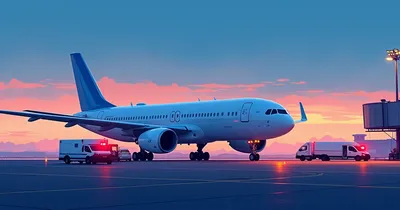
Air Canada Crash: Flight Attendant Thrown From Plane
Air travel is back in the spotlight — and not just because of record-breaking passenger numbers. Recent aviation incidents, evolving airline policies, and surging demand for both leisure and business travel have made flight one of the most searched topics in travel right now. Whether you're a frequent flyer or planning your first trip, understanding the current state of air travel — from safety to comfort to what to pack — is more important than ever.
The Current State of Air Travel: What Travelers Need to Know in 2026
Global air travel has fully rebounded from the disruptions of the early 2020s, with the International Air Transport Association (IATA) reporting that passenger demand continues to set new records. Airlines are expanding routes, adding new aircraft to their fleets, and competing aggressively on pricing — which is largely good news for travelers.
However, this surge in activity has also brought renewed scrutiny to aviation safety. Incident reporting has increased, and high-profile accidents have reminded the public that while commercial flying remains statistically the safest form of long-distance travel, vigilance matters. Understanding what happens when things go wrong — and how airlines respond — is something every informed traveler should be aware of.
Aviation Safety in Focus: The Air Canada Incident
One of the most dramatic aviation stories making headlines recently involves an Air Canada crash that left the public shaken. In a striking development, a flight attendant was pictured after being thrown from the plane during the incident — a sobering reminder of the extreme forces involved in aviation accidents and the incredible resilience of aviation professionals.
While details of the crash continue to emerge, aviation safety experts have emphasized that commercial aviation undergoes some of the most rigorous safety standards of any transportation sector. Aircraft are subject to mandatory maintenance schedules, crews undergo regular recertification, and regulatory bodies like the FAA and Transport Canada conduct ongoing audits. Incidents like this, while terrifying, are statistically rare — and each one typically leads to safety improvements across the industry.
For travelers, this serves as an important reminder to always follow crew instructions, keep seatbelts fastened during flight (even when the seatbelt sign is off), and pay attention to pre-flight safety demonstrations regardless of how many times you've flown before.
How to Choose the Right Flight for Your Trip
With hundreds of airlines and thousands of routes available, choosing the right flight can feel overwhelming. Here are the key factors to consider:
- Direct vs. connecting flights: Direct flights save time and reduce the risk of missed connections, but connecting flights are often significantly cheaper. For trips under 6 hours, direct is usually worth the premium.
- Timing matters: Early morning flights statistically have lower delay rates because aircraft haven't accumulated delays from earlier in the day. Red-eye flights can save a hotel night but may leave you exhausted on arrival.
- Seat selection: Window seats offer a better sleep experience; aisle seats give you more mobility. Seats near the front of the cabin board first and are closer to the exit. Avoid seats directly in front of emergency exit rows — they often don't recline.
- Baggage policies: Budget carriers often charge significant fees for checked and even carry-on bags. Always calculate the total cost including fees before assuming a budget airline is cheaper.
- Airline loyalty programs: If you fly the same carrier regularly, joining their frequent flyer program can unlock free flights, upgrades, and priority boarding over time.
Essential Gear for a Comfortable Flight
Frequent flyers know that the right gear can transform a long-haul journey from miserable to genuinely restful. Here are the travel essentials worth investing in:
- Noise-canceling headphones: Arguably the single best investment for frequent flyers. A quality pair like the Sony WH-1000XM5 Noise Canceling Headphones can dramatically reduce cabin noise and help you sleep or focus.
- Travel neck pillow: A memory foam option like the Trtl Travel Pillow provides real neck support without the bulk of traditional horseshoe pillows.
- Compression socks: On flights over 4 hours, compression socks for flying reduce the risk of deep vein thrombosis (DVT) and keep your legs from feeling swollen on arrival.
- Portable charger: Not all seats have power outlets. A high-capacity Anker portable charger power bank ensures your devices stay alive through long layovers and delays.
- Eye mask: A quality sleep eye mask for travel blocks cabin light and signals to your body that it's time to rest.
- Packing cubes: Staying organized makes security lines faster and bag retrieval easier. Eagle Creek packing cubes are a favorite among long-term travelers.
Flight Delays, Cancellations, and Your Rights as a Passenger
Flight disruptions remain one of the most frustrating aspects of air travel. In 2025, major hub airports reported average delay rates of 18–22% for domestic flights in the United States alone. Knowing your rights can make a stressful situation much more manageable.
In the United States, airlines are not legally required to compensate passengers for delays caused by weather or "extraordinary circumstances," but they are required to refund tickets for canceled flights regardless of reason. Many airlines also offer meal vouchers and hotel accommodations for significant delays within their control.
In the European Union, Regulation EC 261/2004 provides much stronger protections. Passengers on flights departing from EU airports (or arriving on EU-based carriers) are entitled to compensation of €250–€600 per person depending on distance for delays over 3 hours, cancellations with less than 14 days' notice, or denied boarding due to overbooking.
Practical tips for handling disruptions:
- Always book flights on a credit card — many offer trip delay and cancellation insurance as a built-in benefit.
- Download the airline's app before you fly. Rebooking via app is often faster than waiting in line at the gate.
- Know the difference between a delay and a cancellation — cancellations trigger stronger protections and refund rights.
- Keep all receipts for meals and accommodation during extended delays. Airlines are more likely to reimburse documented expenses.
Tips for Surviving Long-Haul Flights
Flights over 8 hours present unique challenges — jet lag, dehydration, reduced circulation, and cabin pressure changes can all take a toll. Here's how experienced long-haul travelers minimize the impact:
- Hydrate aggressively: Cabin air humidity is typically 10–20%, far lower than normal environments. Drink water consistently throughout the flight and avoid excessive alcohol and caffeine, which are dehydrating.
- Move regularly: Get up and walk the aisle every 1–2 hours. Simple stretches at your seat — ankle circles, shoulder rolls, and standing calf raises — help maintain circulation.
- Adjust your watch immediately: As soon as you board, set your watch to your destination's time zone and start behaving accordingly — sleeping and eating based on the new time, not your home time.
- Use melatonin strategically: Low-dose melatonin for jet lag and travel sleep taken at the appropriate bedtime in your destination time zone can help reset your circadian rhythm faster.
- Dress in layers: Cabin temperature varies wildly. A comfortable lightweight travel blanket for airplanes can be a lifesaver on cold overnight flights.
Frequently Asked Questions About Flying
Is flying still safe after recent aviation incidents?
Yes. Despite high-profile incidents like the recent Air Canada crash, commercial aviation remains the safest form of long-distance travel. The odds of dying in a commercial plane crash are approximately 1 in 11 million, compared to 1 in 100 for automobile travel over an equivalent lifetime of travel.
What can I do if my flight is canceled?
Immediately contact the airline via app, website, or phone — whichever has the shortest wait time. You are entitled to a full refund on canceled flights or rebooking on the next available flight at no extra charge. If you're in the EU or on a European carrier, you may also be entitled to financial compensation under EC 261/2004.
How early should I arrive at the airport?
For domestic flights, 90 minutes to 2 hours is recommended. For international flights, arrive at least 3 hours before departure. If you're flying during peak periods (holidays, summer travel season) or through congested hub airports, add an extra 30–60 minutes buffer.
What's the best seat on a plane?
It depends on your priorities. For comfort and sleep, a window seat near the front is ideal. For legroom, exit row seats offer the most space (though you must be willing to assist in an emergency). For motion sickness, seats over the wing experience the least turbulence. Avoid the last row — seats often don't recline and it's adjacent to the lavatories.
How do I avoid getting sick on a flight?
Modern aircraft use HEPA filters that recirculate cabin air and capture 99.97% of airborne particles. The bigger risk is contact with contaminated surfaces. Wipe down your tray table, armrest, and seatbelt buckle with antibacterial travel wipes, wash your hands frequently, and avoid touching your face.
Conclusion
Flying in 2026 offers an extraordinary blend of convenience, affordability, and connectivity — but it also demands that travelers be informed, prepared, and adaptable. From understanding your passenger rights when disruptions occur, to gearing up properly for long-haul journeys, small decisions can make a significant difference in your travel experience. Recent events like the Air Canada incident are sobering reminders that aviation safety is a living, evolving discipline — one that continues to improve precisely because the industry takes every incident seriously. Travel smart, pack right, know your rights, and you'll be well-equipped for wherever your next flight takes you.
Related Products
We may earn a commission from purchases made through these links.
Top Rated: Flight
Best SellerHighest rated options for flight. See current prices, reviews, and availability.
Check Price on AmazonBest Value: Flight
Best ValueTop-rated budget-friendly options for flight. Compare prices and features.
Check Price on AmazonFlight Travel Gears
RelatedPopular travel gears related to flight. Find the perfect match.
Check Price on AmazonStay Updated
Get the latest trending insights delivered to your inbox.