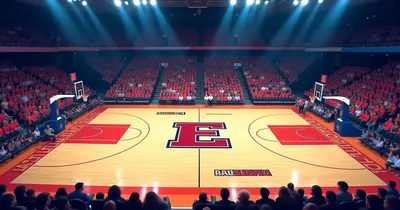
Estadio Azteca Reopens for 2026 World Cup After Renovation
On March 28, 2026, Estadio Azteca officially reopened its gates after more than a year of sweeping renovations — and the occasion could not have been more charged with anticipation, emotion, and, ultimately, tragedy. The iconic Mexico City stadium, which has witnessed some of football's most legendary moments, welcomed fans back for a friendly match between Mexico and Portugal, just months before it is set to host the opening game of the 2026 FIFA World Cup. The night encapsulated the full spectrum of human experience: the thrill of a historic reopening, the pride of a footballing nation, and the grief of a life lost too soon.
A Stadium Reborn: What the Renovation Actually Delivered
After closing its doors in May 2024, Estadio Azteca underwent one of the most significant overhauls in its nearly 60-year history. The renovation project, which faced repeated delays and raised serious doubts about its readiness for the World Cup, ultimately increased the stadium's seating capacity from approximately 83,000 to 87,500 seats — making it one of the largest football stadiums in the world.
The upgrades were comprehensive. Among the headline improvements:
- Completely new seating throughout the bowl
- A state-of-the-art sound system
- Two massive new video screens for enhanced viewing
- Fully renovated locker rooms for players and officials
- A new hybrid pitch combining natural grass with synthetic fibers for improved durability
According to Yahoo Sports, the finished product has been described as stunning — a dramatic modernization of a venue that has stood since 1966. FIFA president Gianni Infantino was in attendance for the reopening, signaling the governing body's confidence that the venue is on track for its World Cup duties.
However, not everything was polished. Multiple attendees noted that concourse areas still had a 'building-site quality', and long queues were reported at outer security gates — signs that some finishing touches remain. Earlier reports from Yahoo Sports had flagged renovation delays as a serious concern, and while the venue passed its first live test, there is clearly still work to be done before July.
Mexico vs. Portugal: The Reopening Match
The match chosen to mark the occasion — Mexico vs. Portugal — was a statement in itself. Though Portugal's superstar Cristiano Ronaldo was not in the squad, the presence of one of European football's most storied national teams added considerable weight to the evening.
On the pitch, the game ended in a 0-0 draw, a result that reflected the occasion more than any tactical masterplan. Mexico's squad arrived at the match severely depleted by an injury crisis, with key players including Edson Álvarez, Santiago Giménez, and goalkeeper Luis Malagón all sidelined. Despite the limitations, El Tri held their own against a competitive Portuguese side, and the result — while goalless — carried a quiet dignity appropriate to a night that would be defined by events off the pitch.
As The Athletic reported, the reopening was ultimately marred by tragedy when a fan died after falling from the second level of the box seating area. Mexico City's Office of Citizen Security confirmed the death, casting a shadow over what had been intended as a celebration of football and national identity. Fans flooded to the stadium in a spirit of excitement and pride, but the night ended in grief for one family and in somber reflection for many more.
A Legendary History: Why Azteca Matters
To understand the significance of this renovation, you have to understand what Estadio Azteca represents — not just to Mexico, but to world football.
Built in 1966, the stadium has hosted two FIFA World Cup finals — in 1970 and 1986 — a distinction no other venue in the world shares. The 1970 final saw Brazil's iconic side lift the Jules Rimet Trophy. The 1986 final, played in scorching Mexico City heat, saw Argentina defeat West Germany 3-2 in a match that became inseparable from the legend of Diego Maradona, who had earlier in the tournament scored both the notorious "Hand of God" goal and the "Goal of the Century" against England in the quarterfinals — both at this very ground.
Beyond World Cups, Azteca has hosted countless Liga MX classics, legendary boxing bouts, and concerts by global superstars. It is woven into the cultural fabric of Mexico City in a way that few stadiums anywhere in the world can claim. The renovation, then, is not merely an infrastructure project — it is an act of preservation and reinvention for an institution that carries decades of collective memory.
World Cup 2026: What's at Stake for Azteca
The stakes for getting this right are enormous. Estadio Azteca is scheduled to host five matches at the 2026 FIFA World Cup, including the tournament's opening game — a historic occasion in which co-host Mexico will face South Africa. For a nation that breathes football, hosting the World Cup opener on home soil, in the country's most iconic venue, is a moment of immense national pride.
The 2026 World Cup is co-hosted by Mexico, the United States, and Canada, and the expanded 48-team tournament will see more matches played across more cities than ever before. Mexico's hosting duties carry extra symbolism: the country previously hosted the entire tournament in both 1970 and 1986, and Azteca's role as a World Cup venue again — nearly 40 years after the last final played here — closes a remarkable loop in football history.
With fans already flocking to the reopening despite the tensions, the appetite for World Cup football in Mexico City is clearly enormous. Demand for tickets to matches at Azteca is expected to be overwhelming, and the stadium's expanded 87,500-seat capacity will help — though significant logistical challenges around security, transportation, and crowd management will need to be addressed in the months ahead.
Lingering Concerns Ahead of the World Cup
While the reopening was largely celebrated, it also exposed areas of concern that officials will need to address before July. The reported building-site quality of concourse areas and the long queues at security gates point to incomplete work and potential crowd management challenges at full World Cup capacity.
More sobering is the question of fan safety following the tragic death of a supporter who fell from the second level. Investigations into exactly how this occurred will inevitably prompt scrutiny of the new seating configurations, barrier heights, and crowd management protocols. For a stadium hosting up to 87,500 people, including vast international audiences during the World Cup, safety infrastructure must be beyond reproach.
The reopening friendly served its purpose as a test event — and like any good stress test, it revealed both the strengths of the renovation and the work that remains. Mexican football authorities and FIFA will be watching closely as the World Cup approaches.
FAQ: Estadio Azteca Renovation and World Cup 2026
When did Estadio Azteca reopen after renovations?
Estadio Azteca officially reopened on March 28, 2026, with a friendly international match between Mexico and Portugal. The stadium had been closed since May 2024 for extensive renovations.
What is the new capacity of Estadio Azteca?
Following renovations, Estadio Azteca now has a capacity of approximately 87,500 seats, up from around 83,000 before the works began. This makes it one of the largest football stadiums in the world.
What happened at the reopening match?
Mexico and Portugal drew 0-0 in the reopening friendly on March 28, 2026. The match was tragically overshadowed by the death of a fan who fell from the second level of the box seating area, as confirmed by Mexico City's Office of Citizen Security.
How many World Cup matches will Estadio Azteca host in 2026?
Estadio Azteca is scheduled to host five matches at the 2026 FIFA World Cup, including the opening game of the tournament, in which co-host Mexico will face South Africa.
What is the historical significance of Estadio Azteca?
Built in 1966, Estadio Azteca is the only stadium in the world to have hosted two FIFA World Cup finals — in 1970 (Brazil vs. Italy) and 1986 (Argentina vs. West Germany). It is also the venue where Diego Maradona scored both the "Hand of God" goal and the "Goal of the Century" in 1986.
Conclusion
Estadio Azteca's reopening on March 28, 2026, was a night that captured everything football can be — historic, hopeful, and heartbreaking in equal measure. The renovated stadium, with its expanded capacity of 87,500 and modernized infrastructure, stands ready to host the world stage once more. But the tragedy of a fan's death and the unfinished edges of the venue serve as a reminder that the work is not yet complete.
With the 2026 World Cup just months away, all eyes will be on Mexico City. If the remaining issues can be resolved and the safety lessons learned, Estadio Azteca has every chance of delivering moments worthy of its extraordinary legacy — a legacy built across six decades, two World Cup finals, and countless chapters of the beautiful game.
Sports Wire
Scores, trades, and breaking sports news.
Sources
- Yahoo Sports sports.yahoo.com
- Earlier reports from Yahoo Sports sports.yahoo.com
- The Athletic reported nytimes.com
- fans already flocking to the reopening msn.com
- reopening friendly msn.com